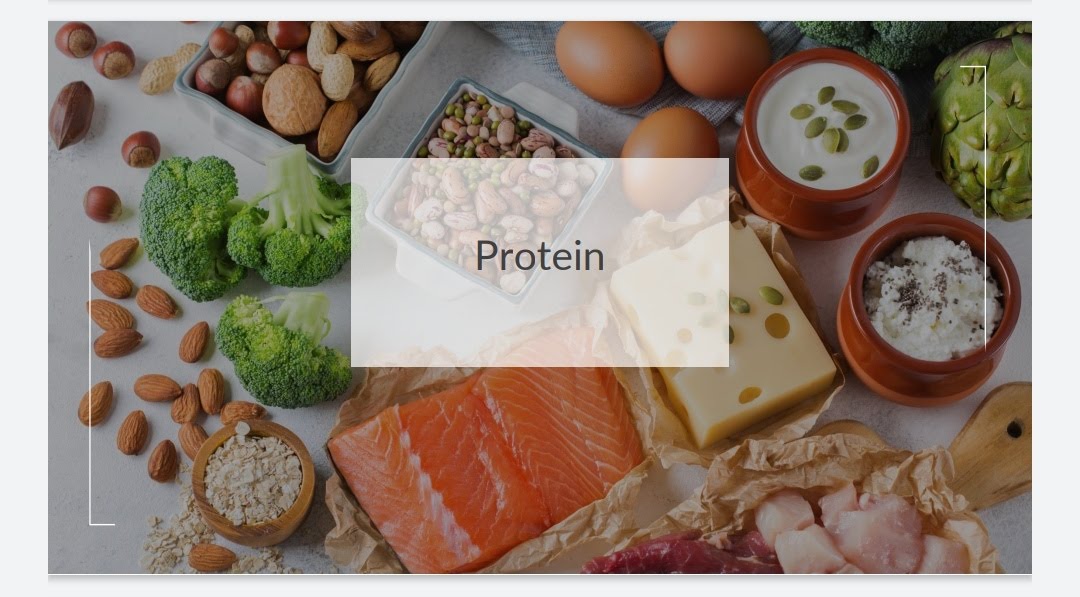
Importance of Protein

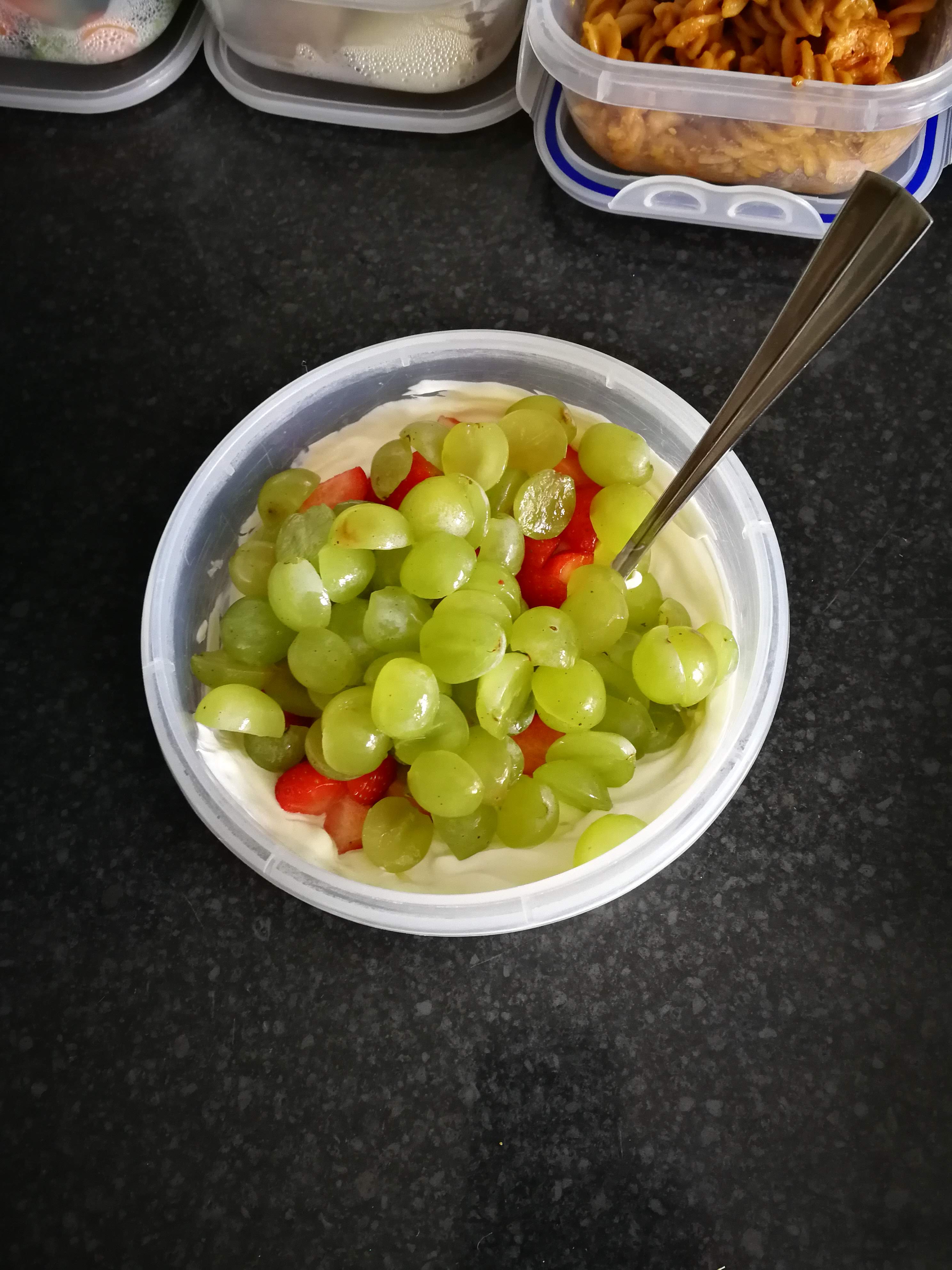
So as i munch down on my first meal of the day which is Brooklea Greek Yogurt 500g, Strawberries 90g and white seedless grapes 150g ( Macro content – Carbs 64g, Fat 51g, Protein 33g ) I’d thought why not put up a blog about protein. When we look at our macro-nutrients ( carbs, fats, proteins ) protein should follow closely second to our carbohydrates, some may even focus more so on protein .

Proteins are very important in your diet and even in ancient times this was realised as the protein is derived from ancient Greek language meaning ‘ holding first place’. The basic molecule for building proteins is called ‘an amino acid’. There are 20 amino acids that the body uses and quite often people get confused, thinking that amino acids and proteins are totally separate entities when in fact proteins are just different groups of amino acids linked together to form a large molecule. Although the body uses all the amino acids in one form or another it only requires the 9 essential amino acids in the diet.

  1. Phenylalanine: Phenylalanine is a precursor for the neurotransmitters tryrosine, dopamine, epinephrine and nor-epinephrine. It plays an integral role in the structure and function of proteins and enzymes and the production of other amino acids.
  2. Valine: Valine is one of three branched-chain amino acids, meaning it has a chain branching off to one side of its molecular structure. Valine helps stimulate muscle growth and regeneration and is involved in energy production.
  3. Threonine: Threonine is a principal part of structural proteins such as collagen and elastin, which are important components of the skin and connective tissue. It also plays a role in fat metabolism and immune function.
  4. Tryptophan: Though often associated with causing drowsiness, tryptophan has many other functions. It’s needed to maintain proper nitrogen balance and is a precursor to serotonin, a neurotransmitter that regulates your appetite, sleep and mood.
  5. Methionine: Methionine plays an important role in metabolism and detoxification. It’s also necessary for tissue growth and the absorption of zinc and selenium, minerals that are vital to your health.
  6. Leucine: Like valine, leucine is a branched-chain amino acid that is critical for protein synthesis and muscle repair. It also helps regulate blood sugar levels, stimulates wound healing and produces growth hormones.
  7. Isoleucine: The last of the three branched-chain amino acids, isoleucine is involved in muscle metabolism and is heavily concentrated in muscle tissue. It’s also important for immune function, hemoglobin production and energy regulation.
  8. Lysine: Lysine plays major roles in protein synthesis, hormone and enzyme production and the absorption of calcium. It’s also important for energy production, immune function and the production of collagen and elastin.
  9. Histidine: Histidine is used to produce histamine, a neurotransmitter that is vital to immune response, digestion, sexual function and sleep-wake cycles. It’s critical for maintaining the myelin sheath, a protective barrier that surrounds your nerve cells.

Providing you are getting these 9 amino acids in your diet the body can make the remaining amino acids via various biochemical pathways. Proteins are involved in many processes in the body, they can be found in your skin and hair, in muscles, transporting oxygen round the body, a key part of your immune system and helping to regulate your metabolism. It can be seen from this brief list how vital proteins are to everyday functions. Often people just associate proteins with muscle building and although they are intrinsically involved in the process, they do far more

SUMMARY:

The nine essential amino acids can’t be produced by your body and must be obtained through your diet. Conditionally essential amino acids are only essential under special circumstances like illness.

Importance Of Protein:

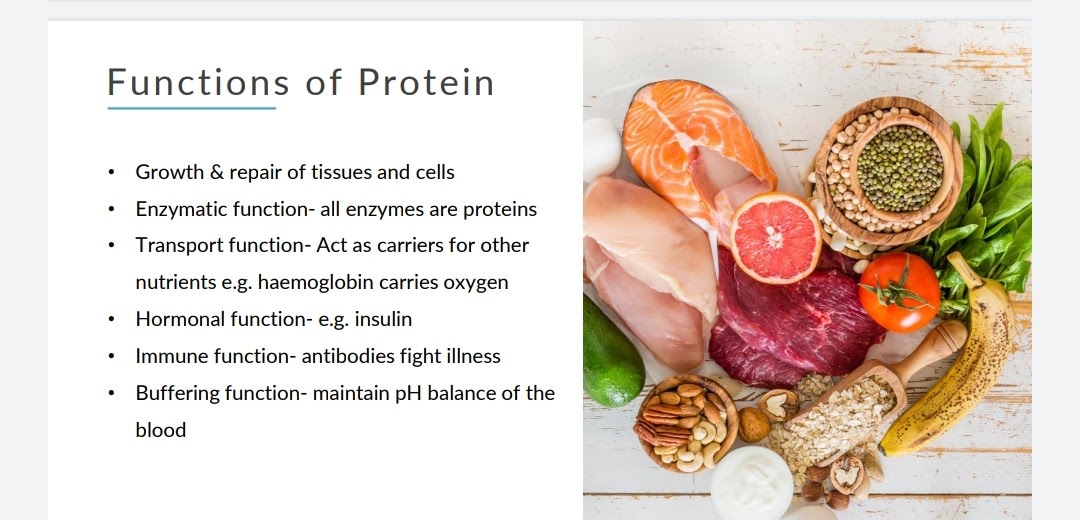
1: Growth and Maintenance – Your body needs protein for growth and maintenance of tissues

2: Causes Biochemical Reactions – Enzymes are proteins that aid the thousands of biochemical reactions that take place within and outside of your cells. The structure of enzymes allows them to combine with other molecules inside the cell called substrates, which catalyse reactions such as digestive enzymes like lactate and sucrose which help digest sugar…..bodily functions that depend on enzymes include

: Digestion

: Energy Production

: Blood Clotting

: Muscle Contraction

3: Acts As A Messenger – Some proteins are hormones, which are chemical messengers that aid communication between your cells, tissues and organs

4: Provide Structure – Some proteins are fibrous and provide cells and tissues with stiffness and rigidity

5: Maintains Proper PH – Proteins plays a vital role in regulating the concentrations of acids and bases in your blood and other bodily fluids

6: Balances Fluids – Proteins regulate body processes to maintain fluid balance

7: Bolsters Immune Health – Proteins help form immunoglobulins or antibodies to help fight infection

8: Transport And Stores Nutrients – Transport proteins carry substances throughout your bloodstream into cells, out of cells or within cells

9: Provides Energy – Proteins can supply the body with energy. 1g of protein provides us with 4 calories of energy the same amount as carbohydrates

BOTTOM LINE:

Protein has many roles in your body.

It helps repair and build your body’s tissues, allows metabolic reactions to take place and coordinates bodily functions. In addition to providing your body with a structural framework, proteins also maintain proper pH and fluid balance. Finally, they keep your immune system strong, transport and store nutrients and can act as an energy source, if needed. Collectively, these functions make protein one of the most important nutrients for your health.
Leg Press Variations:

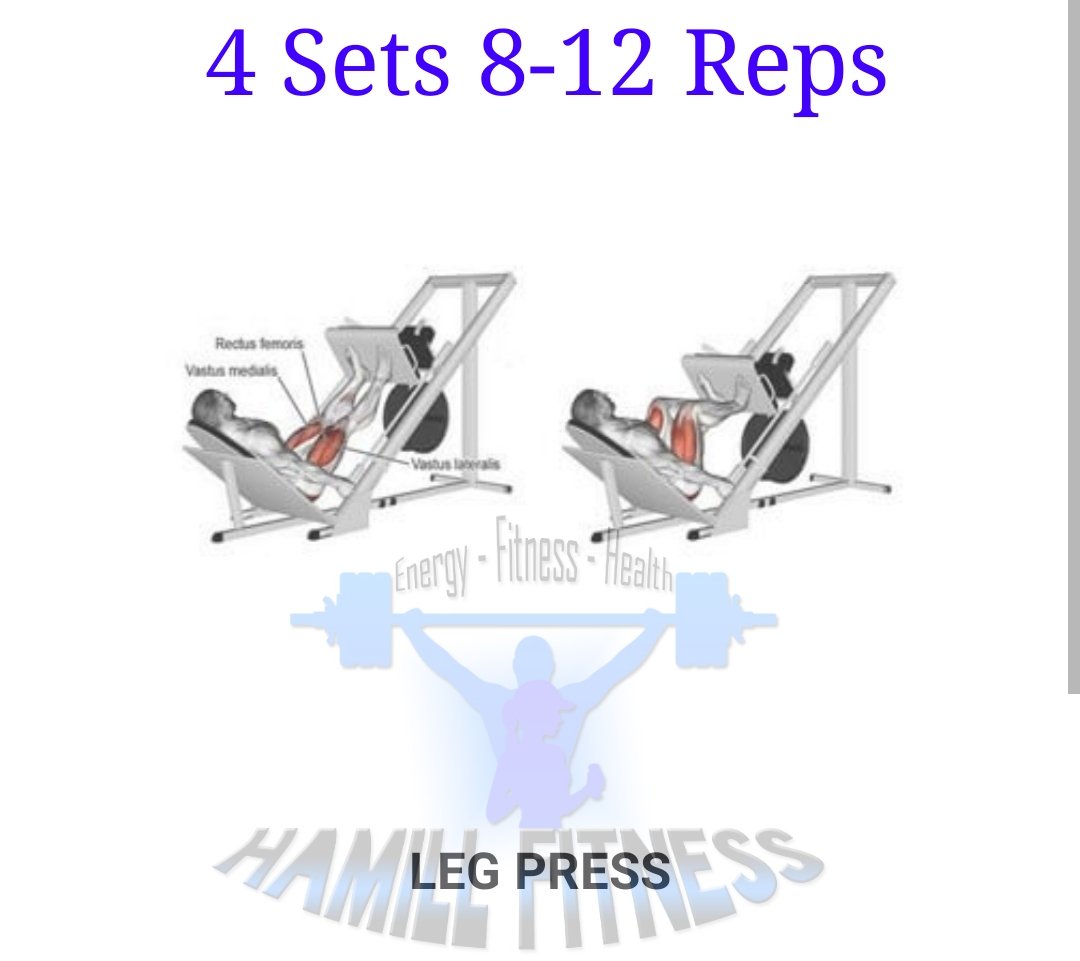
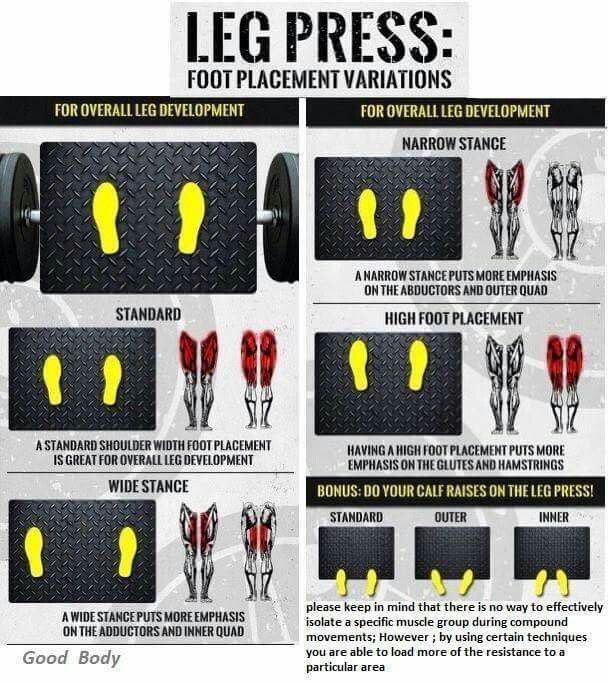
So how many of you use the leg press and how many of you know how to target different areas of the muscle with just that one piece of equipment? Just by simply adjusting your feet position can adjust what area of the leg you target, not to mention calf’s as well.

Most stand foot position we will use is or should be feet shoulder width apart which gives an overall approach to hit those leg muscles. But if you were to have you feet hip width apart and lower down the plate you will isolate those quads more.

The Image attached will give you more of a overall look on how to mix up your leg session next time your on the leg press, but always be mindful of your weight, never locking then knees at full extension and always be safe when lifting

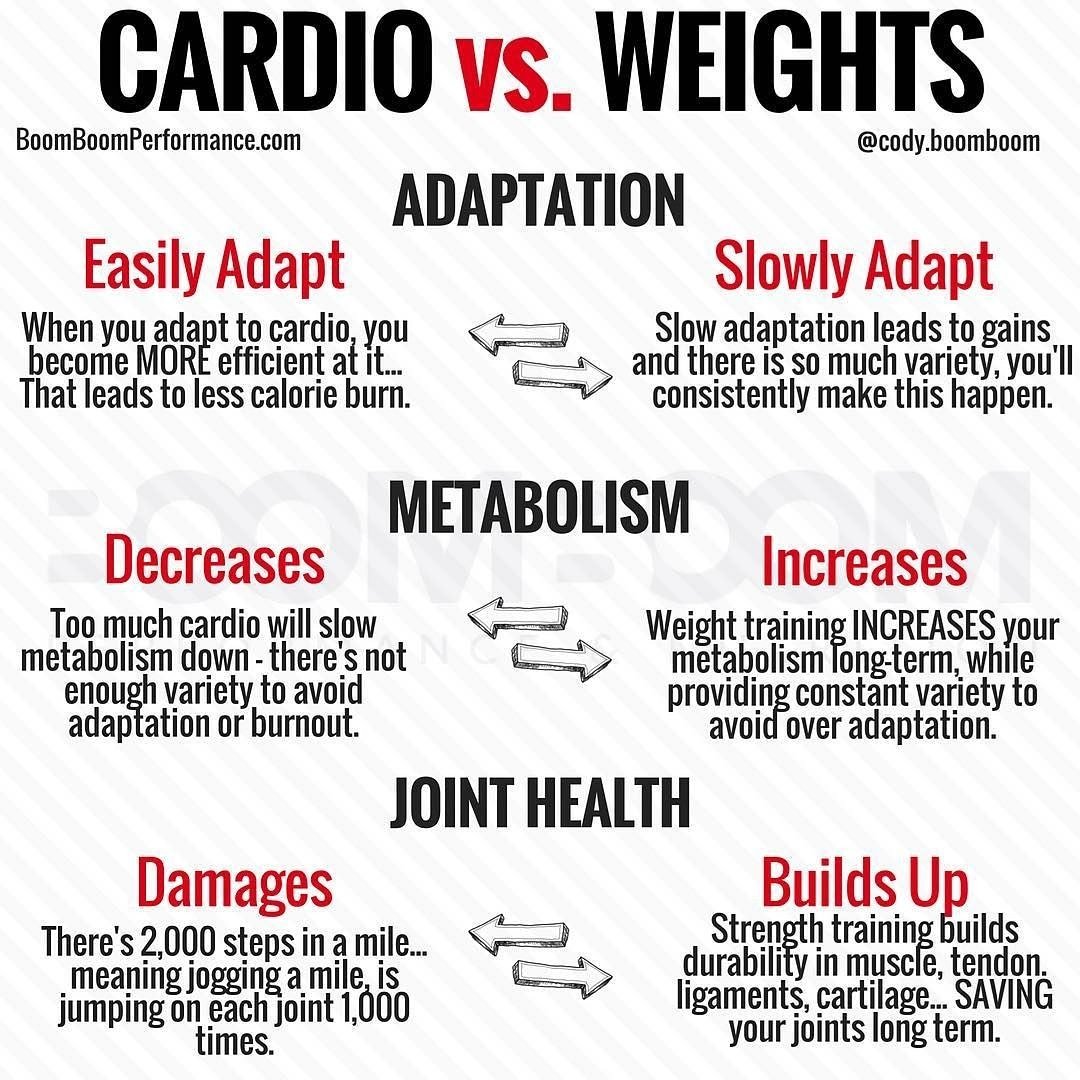
What’s Best, Cardio Or Weights

What’s best? Cardio or weight training for weight loss?

This is a debate that is still going on ( although it shouldn’t be ) but we need to look at the bigger picture.

There’s a large percentage of us that when we first join the gym or start exercising it is for weight loss, look better, feel better and move better, basically better overall health and fitness but yet most will seem to think the best way of achieving this is on the Cardiovascular equipment 🤦🏻‍♂️🙄 when really they want a overall body transformation.

If you want to know what burns more calories in a 30 minute session then yes a cardio session would do that….for example

If you weigh 160 pounds (73 kg), you will burn about 250 calories per 30 minutes of jogging at a moderate pace

If you were to run at a faster pace of 6 miles per hour, you would burn around 365 calories in 30 minutes

On the other hand, if you weight trained for the same amount of time, you might only burn around 130–220 calories.

Although a weight-training workout doesn’t typically burn as many calories as a cardio workout, it has other important benefits

For example, weight training is more effective than cardio at building muscle, and muscle burns more calories at rest than some other tissues, including fat, because of this, it is commonly said that building muscle is the key to increasing your rest metabolism ( that is, how many calories you burn at rest )

In men, weight training led to a 9% increase in resting metabolism. The effects in women were smaller, with an increase of almost 4%

While this may sound good, it’s important to think about how many calories this represents.

For the men, resting metabolism increased by about 140 calories per day. In women, it was only about 50 calories per day.

Thus, weight training and building a little bit of muscle won’t make your metabolism skyrocket, but it may increase it by a small amount.

So…..what to do about it?

No matter what your goal may be it is vital to first and foremost to address our nutrition ( no matter your goal our nutrition is key to our success ). We need to find out what our body needs nutritionally ( Carbs, Fats, Protein ) to help us to not only fuel and give us energy to achieve this goal but to also help us recover, help our muscles and tissues to repair.

Secondly….get your ass off that cardio equipment and start lifting some weights, 3 to 4 times a week if possible! Then your supplement to lifting weights could be what ever you chose ( running, rower, crosstrainer, swimming, classes, hiit, metcon ) this will help keep your fitness levels up or increase them.

Remember we want a transformation so stop focusing on what the bloody scales are saying! Take measurements, photo’s and work on a transformation

MINDSET:

M

In this blog I would like to cover something which a lot of us can relate to and it plays a major part in everything we do and want to achieve, especially within Health & Fitness ….and that’s our mindset!!

Whenever we decide to make a change either with weight loss, weight gain or fitness related there is always an underlining emotional reasoning behind it. Something that has triggered it off, something close to our hearts that has brought that thought about to make a change, but for some keeping that mindset is easier said than done….( and I know first hand what it’s like ). First thing we need to think of and always have this thought in our head and that’s our WHY !! Why are you wanting to make a change?? For me the main reason was….well I was fed up with how I looked and felt and I know it was making me unhappy and I didn’t like the person I was becoming, that was my emotional reasoning but even then I still struggled to start with and to stick with the consistency. But for other people it may be a different reason, either way this reason should always be at the forefront to remind us of why we started in the first place, having an end goal is something else we should have in place.

SMART GOAL:

S: Specific – Set yourself a specific goal

M: Measurable – Is this goal measurable?

A: Achievable – Is your goal achievable?

R: Realistic – Is your goal realistic?

T: Time Frame – Do you have a time frame on which you want to achieve your goal?

Having a smart goal is one why of keeping that mindset and keeping you focused but of course it’s not just as easy as that….it never is!!

In my experience you’ve got to learn to take the rough with the smooth, the good days with the bad days and remember that Rome wasn’t built in a day. You didn’t get in the position your in over night so results won’t happen over night either, but small steps repeated daily WILL lead to long term results that I can guarantee!! Let me put it another way….If you was to find an old picture of yourself that you didn’t like, then place that picture in plain sight so every-time you looked at it, it was a reminder of how you used to be and also remind you of not to go back to the old you. That right there is the power of visualisation but that will also come with an emotional response which reminds you of how the old you looked and felt….no one wants to feel that, they want to feel happy and new. So whats the plan??

Remember your WHY!!

Set yourself a SMART GOAL!!

Break it down into more manageable and achievable goals!!

Learn to take the ups and downs as they make us stronger!!

The only person we have to compete with is ourselves!!

It doesn’t matter how slow your moving forward just as long as your moving forward!!

As always I’m always here to help in anyway I can ( so please feel free to reach out ), I’ve come through from the other side so I know how tough it can be sometimes but your not on your own.

Mindset is something we can all benefit from, we can all learn from each other and we can all support one another….Together We’re Stronger, Together We’ll Succeed

Weight Loss & Energy Balance

This article will briefly consider weight loss, the science behind it and look at some techniques to boost your weight loss attempts. You will notice throughout that all things are considered in terms of lifestyle changes. It’s no use adopting some so called magical diet that quickly gets weight off but more so quickly goes back on once you’ve stopped….although these are very tempting the fact of the matter is that quick weight loss most probably equates to losing water not fat and worse still reducing your lean muscle tissue ( which is not what you want to be achieving ).

You can safely and effectively lose about 1 to 2 lbs ( 0.5 to 1kg ) a week. At the end of the day you have to think to yourself ” how long did it take me to put the weight on?” The answer to this question is unlikely to be one to two weeks, it’s far more likely to have happened over a number of years. Therefore you have to accept a similar timescale to get back to your ideal weight or more importantly how you look and feel ( Body Composition ). If you are willing to accept this premise you are half-way there, odds are you can achieve it quicker with the correct adjustments. The next thing you must consider is that it is your current lifestyle that got you fat, therefore only by making changes to your lifestyle can you hope to achieve long-term sustainable weight loss

This is why most diets do not work in the long-term; it is because they have not altered your lifestyle. Therefore, the minute you finish the diet you go back to doing what was getting you fat / weight gain in the first place ( your old lifestyle ).

When i work 1-2-1 with my clients i always make a point to see if they are psychologically ready to make a change. The readiness to change is so often overlooked in weight loss programmes and yet my research has shown that this is fundamental to long-term successful weight loss.

ENERGY BALANCE:

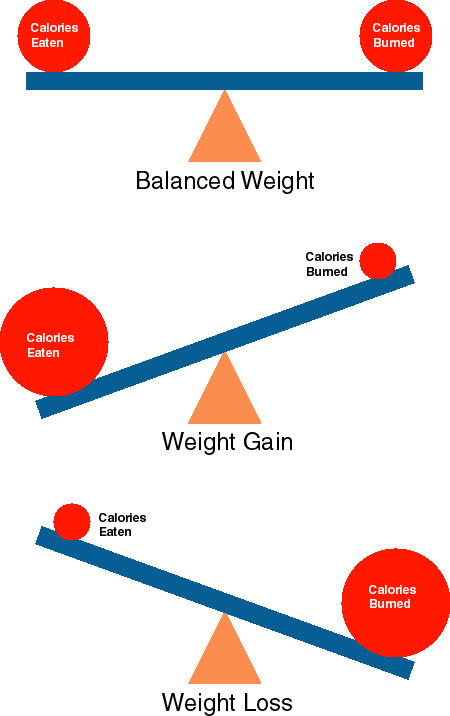
At the end of the day weight loss or weight gain comes down to energy balance, this is not rocket science…if you are eating more calories than you are burning then you will be in a positive energy balance ( surplus ). Under these circumstances you will put weight on and increase your body fat %. The best you can hope for is that the fat cells will shrink as you burn off energy…this is one reason why somebody that has been over weight finds it easy to put the weight back on, the fat cells are sitting there waiting to be filled. If however you have never been overweight you will possess less fat cells so it is not quite so easy to increase your weight.

If you are burning more calories ( very active ) than you are consuming you are in a ‘ negative energy balance ‘ ( calorie deficit )and under these circumstances you will loss weight ( reduce your body fat ). That said, it is not quite straightforward as this ( if only it were ). A number of factors impact upon this, an important one being genetics. Undoubtedly the genes that you inherited will have an impact on how successful your weight loss attempts are. With perseverance however if you maintain a negative energy balance you will lose weight….FACT!!

Men will find it easier to lose weight than women and again this is down to genetic makeup. Men possess more of the enzymes that help breakdown fat and are therefore better placed to burn off fat. Added to this women have more of the enzymes that store fat ( necessary during pregnancy ) therefore they will lay down fat easier than a man. The good news is that the more active you become the more efficient you become at burning fat so keeping active, and if possible increasing your activity levels are the key to long-term weight control.

My Food Diary For A Day….

Ever since I’ve been working in the fitness industry the same topic keeps popping up and some will have different opinions on it to others but both have their points…..I’m taking about either calorie counting or macro tracking!!

So what is what??

Calorie Counting is when your simply count the calories you consume on a daily basis with a calorie counting app or old school and write it all down ( boring! )

Whatever your goal might be the outcome is the same – you just take a different approach to it….let me explain! If you’re planning to lose weight you will hear a lot about being in a calorie deficit ( meaning you burn more calories than you consume ) which of course is correct so you would need to start counting your calories to make sure this is achievable and the best way of doing this is with http://www.myfitnesspal.com this is what I use on a daily basis and it’s what I make my clients use.

If your goal is weight gain then you simply turn it around and go into a calorie surplus ( meaning you eat more calories than you burn ) and for maintenance you need the balance between the two….But how do you know if your still getting the right balance between your Protein, Carbs & Fats?

Macro Tracking…This is when you track your macro-nutrients ( Protein, Carbohydrates, Fats )

This is where my opinion changes!

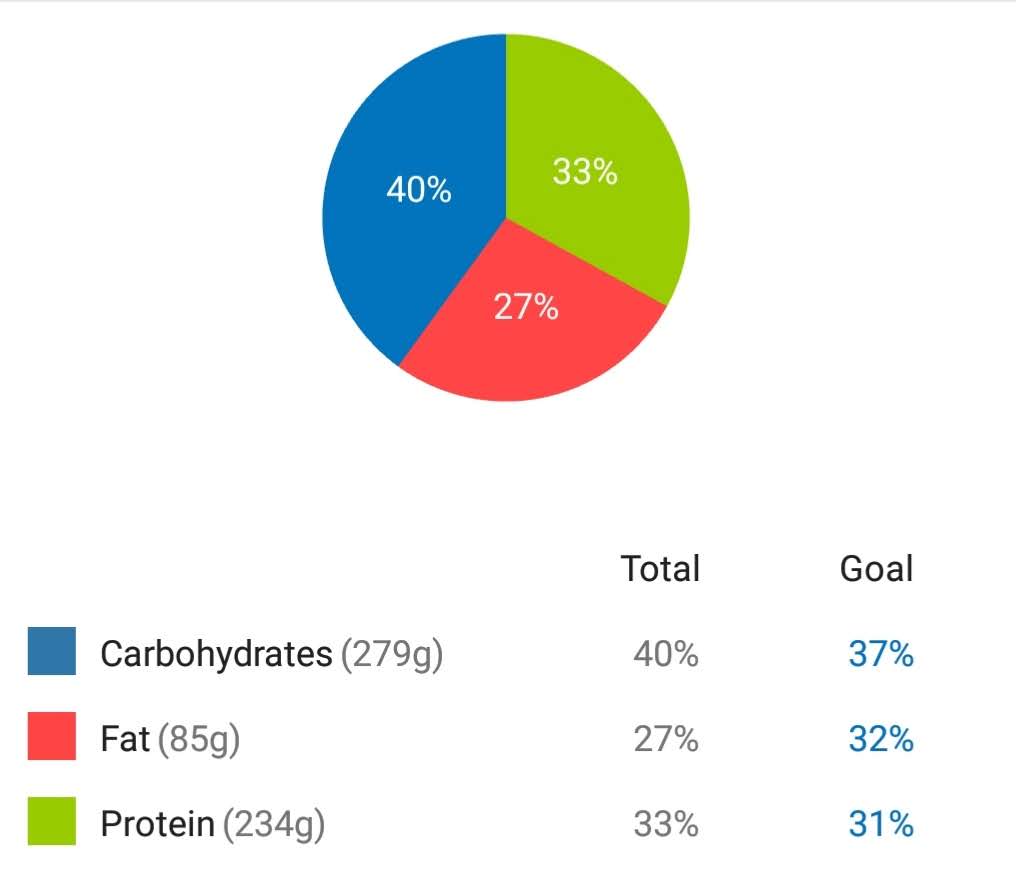
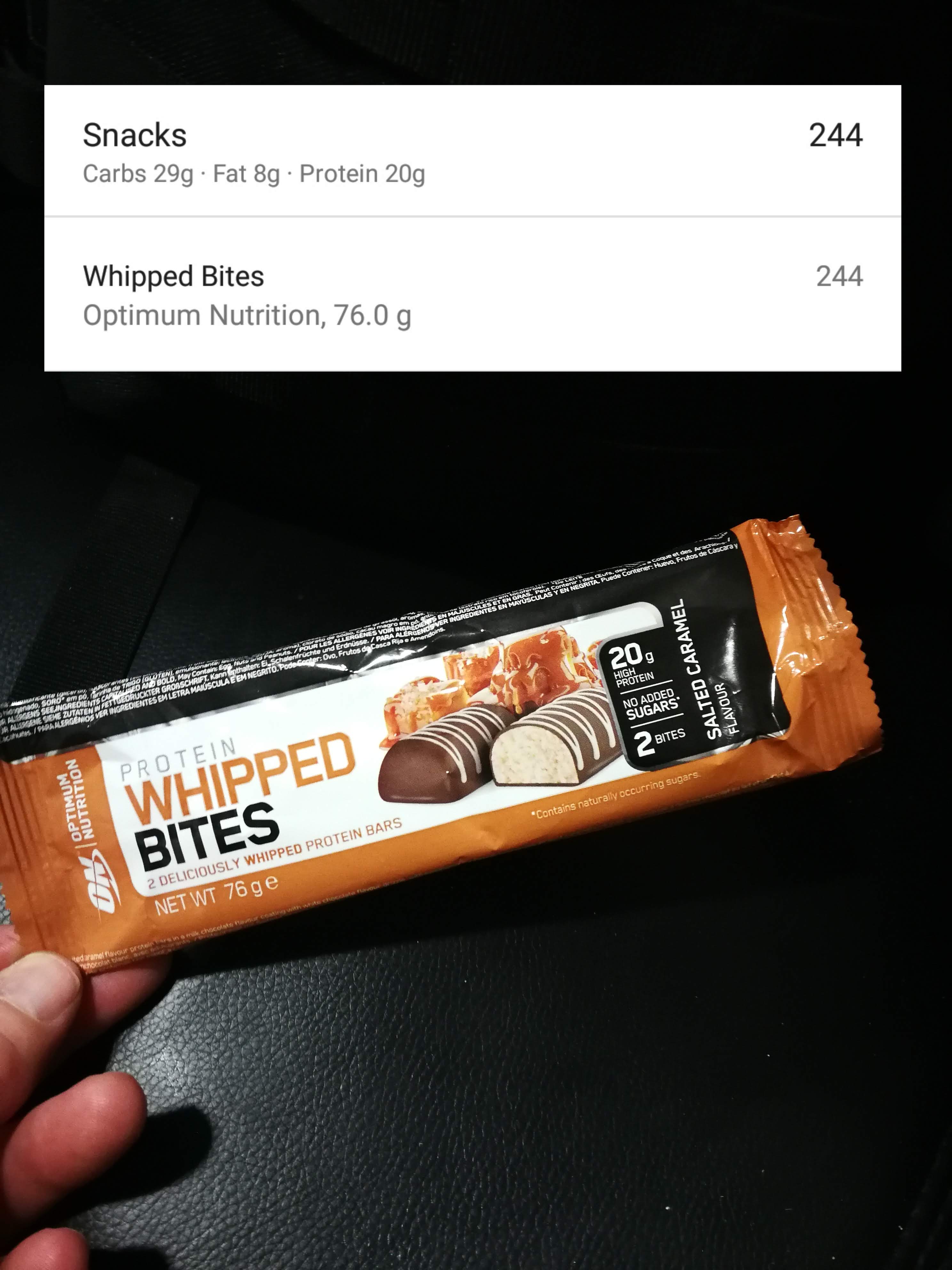
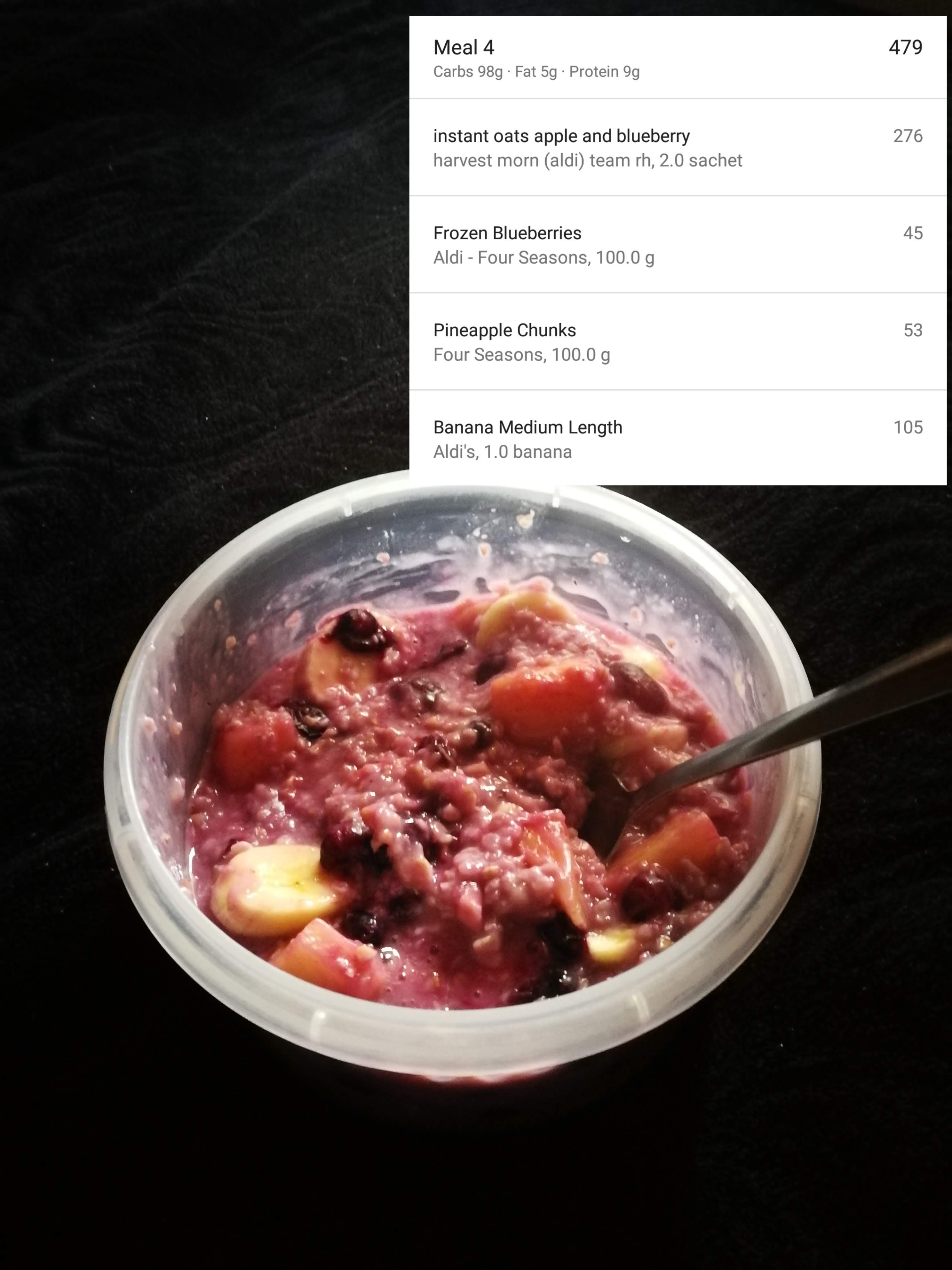
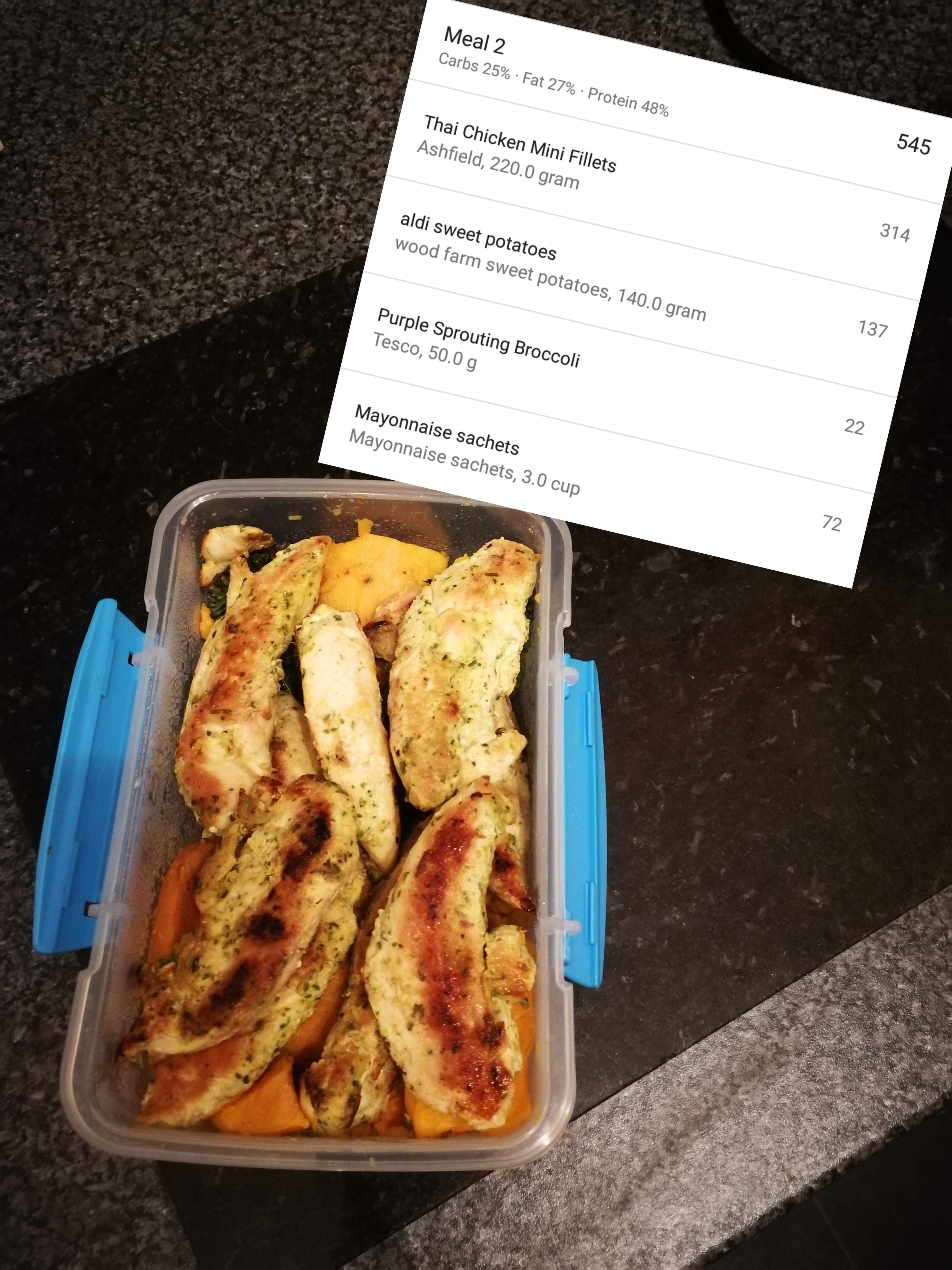
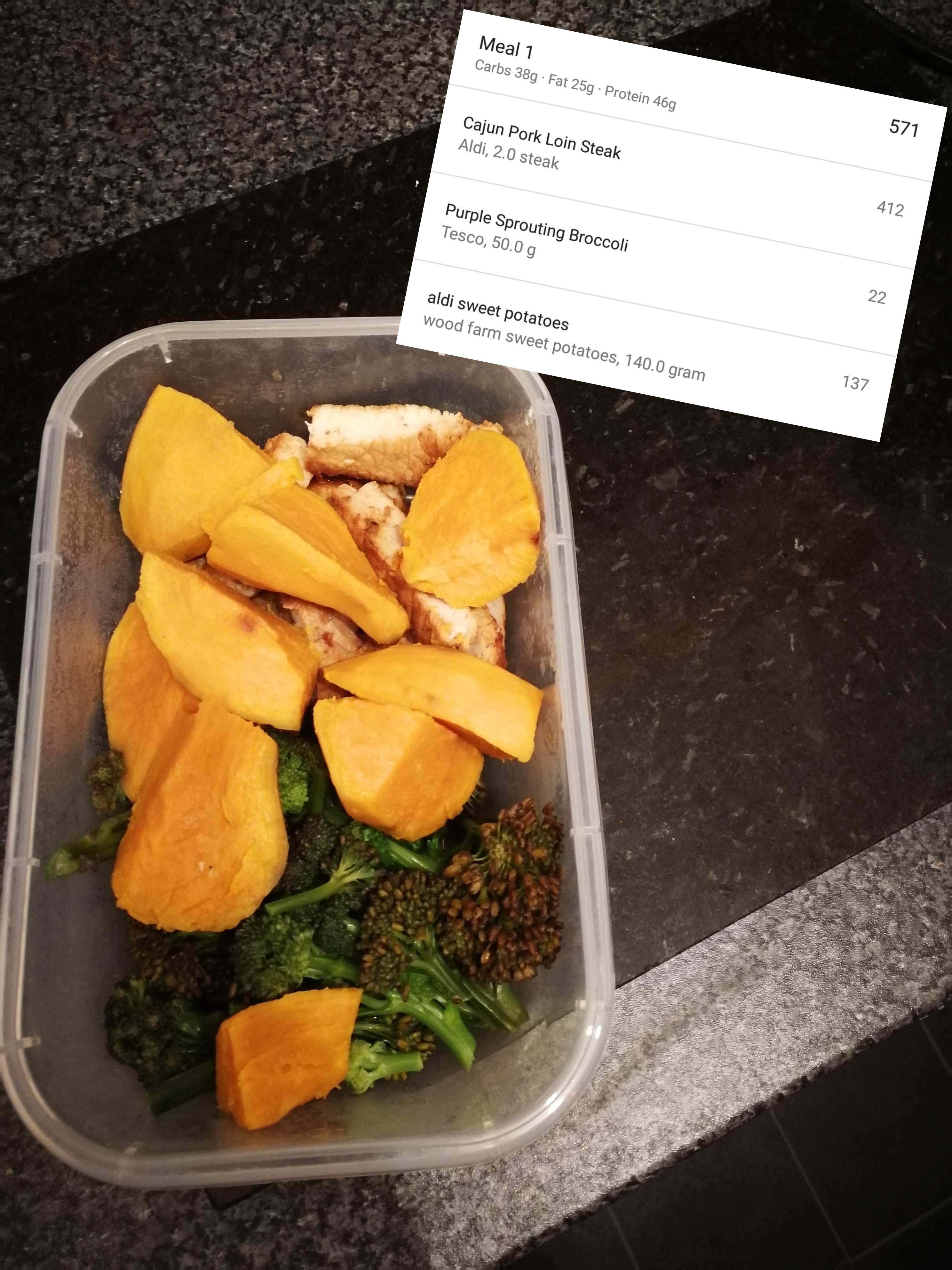
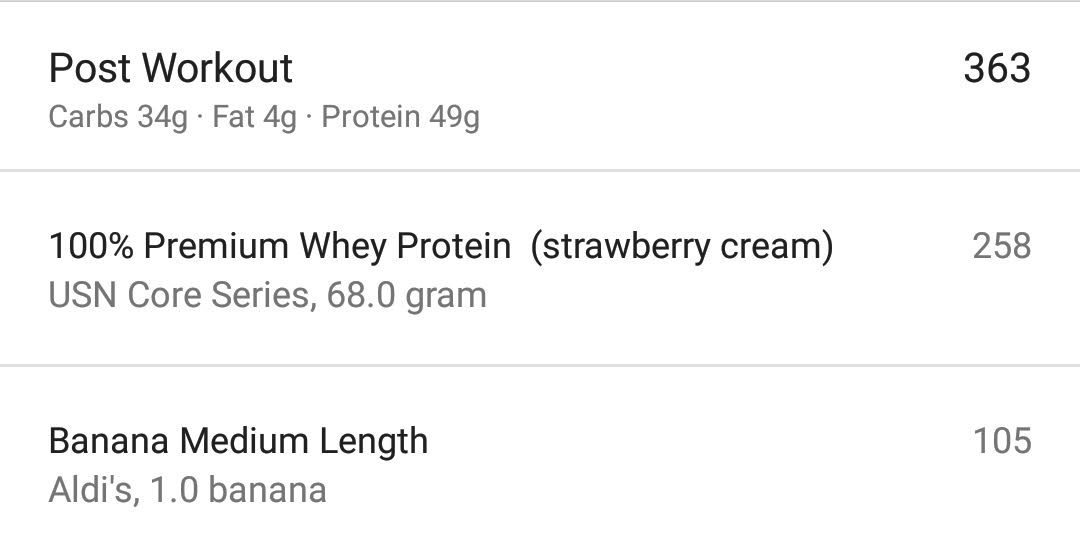
You can still be in a calorie deficit but still not be getting the right amount of macro’s based on your lifestyle and training which isn’t good enough especially when it comes to muscle repair, muscle growth and fuelling our bodies. So the pictures above is an average days eating for me but notice my macros and my calories….So I’ve set my macros at 278g carbs – 237g protein -106g fat and it’s pretty much spot on. My calories has been set to 3014 ( this is for weight loss ) and yet I’ve not even hit it…( if this is confusing then feel free to message me for further info )

All foods have calories and macro-nutrients in them but knowing if your getting the right amount is another thing. I always spend time with my clients making sure they understand the importance of their own macro-nutrient intake rather than getting to just count calories and i also make sure they keep a food dairy so i can track what they are eating and advise then if their going wrong and where

With all this said and done this is just my opinion, there is no right or wrong as both go hand in hand. You obviously need to find which is easier for you to understand and maintain to help you reach and achieve your goal and that should always be a better version of yourself, a health fitter version .

Again if you have any questions or need help with anything then please feel free to reach out and drop me a message…..Together We’er Stronger, Together We’ll Succeed!!

Metabolic Conditioning…..

Ever heard the term metabolic conditioning or metcon for short? Ever wondered what it meant?

It’s quickly becoming more and more popular within the fitness industry with more trainers and coaches using this type of training style ( i myself use it ) at the end of their session’s or for their whole session. I first discovered it when i made the transition from general weight training to Crossfit and as hard as it can be I’ve become fitter and stronger than I’ve ever been

But what is it exactly?

Metabolic Conditioning is a method of training that involves a very high work rate, using exercises designed to burn more calories during your workout and to maximise calories burned after your workout. These routines are intended to increase your body’s storage and delivery of energy for any activity. It includes high intensity based workouts that often involve challenging the total body, compound exercises and very short recovery intervals.

Although the term may not really ring a bell for you, especially if you are a newbie in the gym, you probably heard of the fitness programs such as P90X, Insanity, and CrossFit. These fitness programs are patterned and follow Metabolic Conditioning principles. They are known for pushing the human body to its limits with fast-paced cardio and strength exercises to build muscle, strength, and endurance.

MetCon is usually applied in health and fitness, specifically in programs that aim to help people lose weight.

Contrary to the common misconception, the term metabolic conditioning is not really a specific workout routine or program that is designed to be followed step by step. It is a type of workout meant to challenge the two major energy systems that contribute to exercise.

Metabolic Conditioning engages the large muscle groups in the body and makes use of structural and compound types of exercises. These require a maximum amount of energy as multiple joints and muscles are involved and utilised in the movement.

At the same time, it incorporates high-intensity training that mill make your heart race and catch your breath. This is the reason why people who do MetCon bathe in their own sweat after each session.

Because of this, you will feel the burn. Despite the fact that the depth of the muscle stimulation from metabolic training may not be as deep as a bodybuilding program where you hit one muscle the entire workout, it’s still significant.

Benefits of MetCon:

  • Improves your cardiovascular capacity

Although MetCon is not as aerobic as going for a jog or dancing, doing HIIT exercises can increase in V02 max beyond that experienced by exercisers following an aerobic program.

  • Improves your hormonal profile

Several studies have shown that hormones that promote “lipolysis” (the technical term for fat loss) increase as a result of high-intensity strength training

  • Allows maximum calorie burn

While calorie burn studies come to different conclusions as to the total calorie burn off metabolic training, it certainly burns a ton of calories. The calorie burn during a workout is easily around 500 calories for a 30-minute workout, but it also increases metabolic rate from anywhere between 10% to 25% for up to 48 hours, with some studies showing an increase in metabolic rate for up to even 72 hours.

Can anybody try MetCon?

Though it is practically safe, it would be better if you do MetCon exercises under the guidance and supervision of a trained professional. You can also consult your doctor first to prevent any complication that can happen during the course of the workout.

Whether you try MetCon to be generally healthier or lose weight, it would drastically improve your journey towards better and improved fitness. The sheer volume and intensity of this training will make sure that you get back what your body put effort into. However, MetCon is advised better for with a long history of exercise who can handle taking their bodies and training to the next level. These kinds of workouts that are too intense for beginners can lead to injury, burnout, severe muscle soreness, and the strong desire to quit altogether if not done correctly or under supervision.

Rest

5 Reasons you should rest:

  1. REST PREVENTS INJURY
    Rest days prevent overuse of muscles. Whether it be running, lifting or even walking, push it too hard without a break and muscles and will joints suffer.
  2. MUSCLES NEED REST
    When lifting weights you’re essentially tearing muscle fibres and so without proper rest periods, to allow for the repair and growth of theses muscles, you’ll not get the benefit of your training.
  3. YOUR PERFORMANCE WON’T DIP
    Don’t think that taking a day or two off from training will set you back. It wont! In general it takes your body almost two weeks of non-activity before you start losing a noticeable amount of your progress/performance level.
  4. OVER-TRAINING AFFECTS SLEEP
    Yes it true! Too much exercise can put your body in a constant state of restlessness or on high alert making a good night’s sleep tough to achieve. Taking those rest days can help bring down your alertness and heart rate, which in turn can help get you a night of sound sleep.
  5. YOUR IMMUNE SYSTEM CAN OVERHEAT
    During periods of heavy activity our immune systems are constantly activating to repair muscles and joints. Without proper rest, your immune system can’t carry out all of the repairs it needs.

Nutrition Fact about Carbohydrates

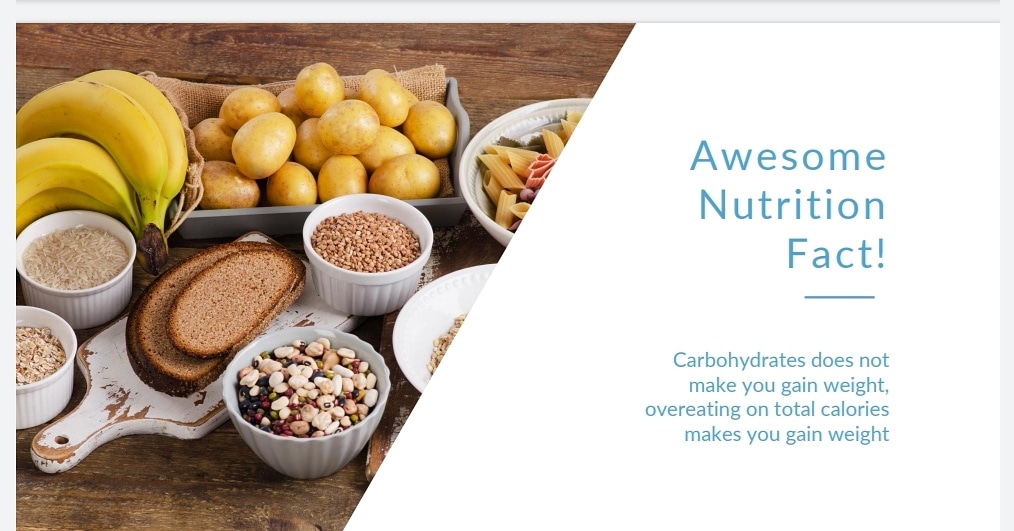
So many times over the years I’ve heard from people who are uninformed and have no idea what their talking about saying Carbs make you fat, you shouldn’t eat Carbs after a certain time etc etc blah blah

Now I’m not going to go into the function of carbohydrates etc ( not yet that blog will be soon ) but I will say this….carbs do not make you fat or gain weight, eating to much crap and putting to much in your mouth makes you fat and gain weight…..Fact!!

If you over consume on anything your going to gain weight and get fat ( unless your planning on bulking of course ). Just be more mindful of the portion the sizes you have based on your goal of speak to someone who’s actually qualified in Nutrition and can calculate your calories or macronutrients

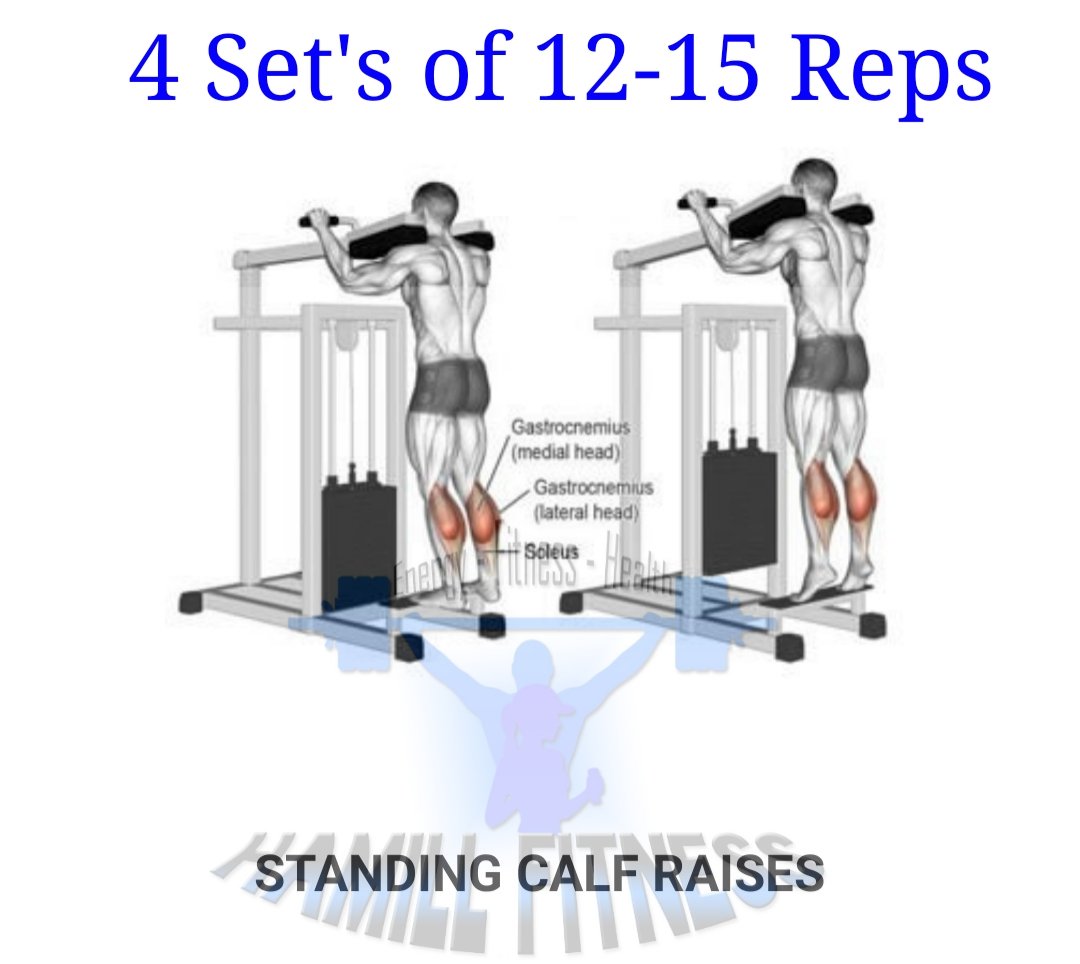
Leg Workout

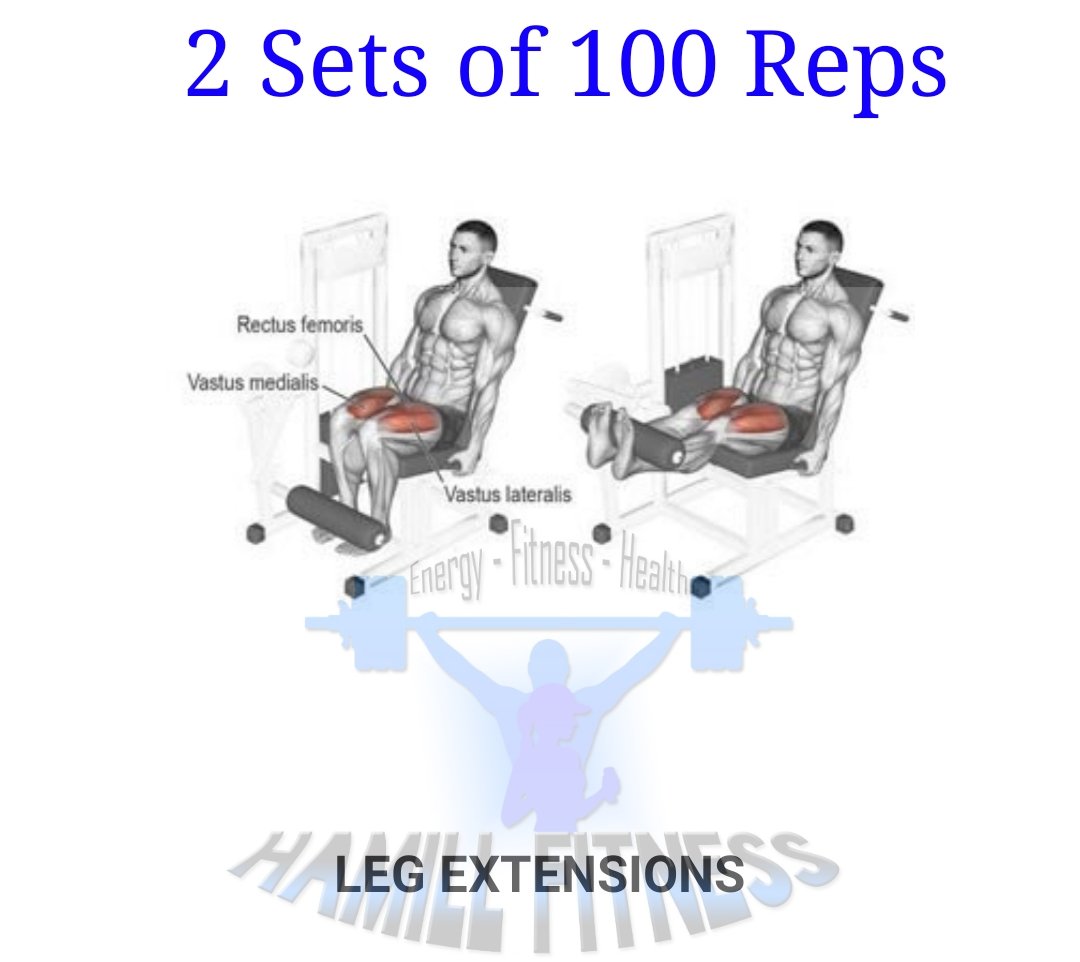
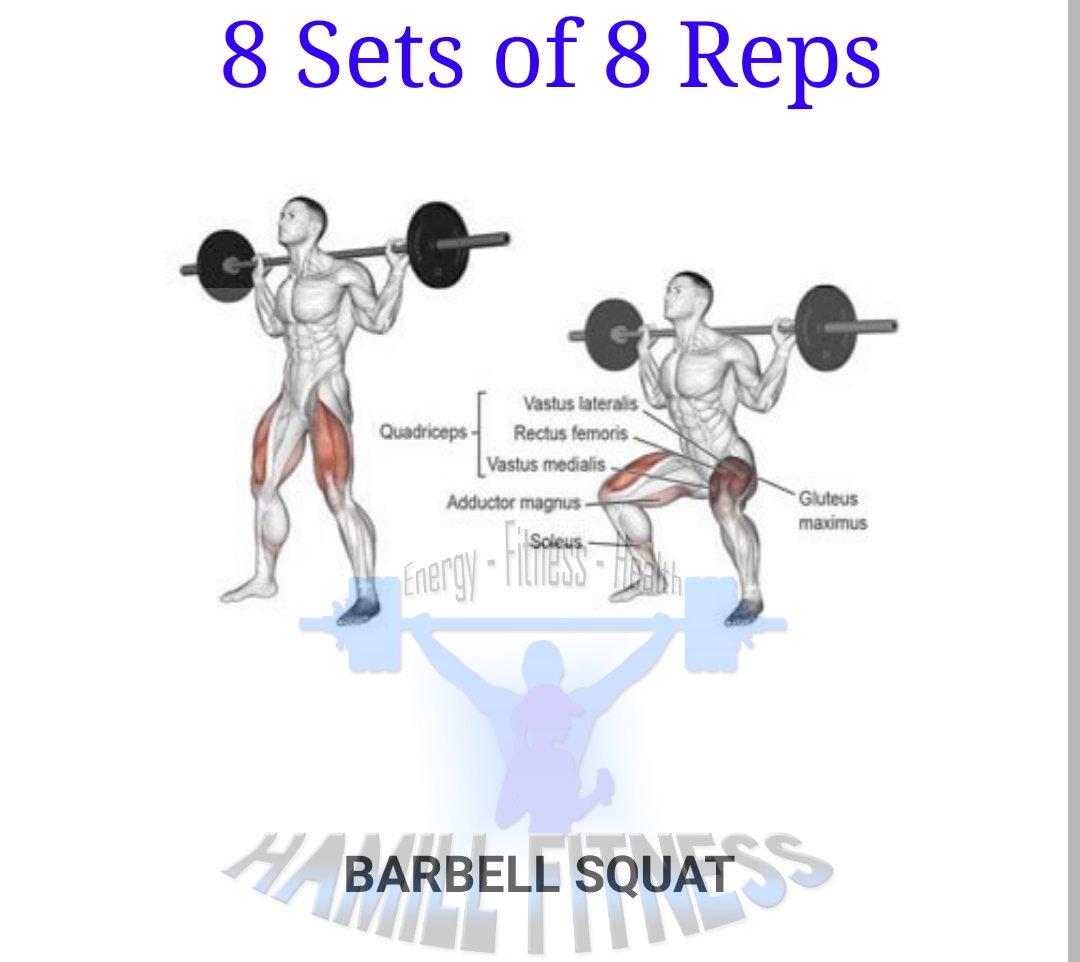
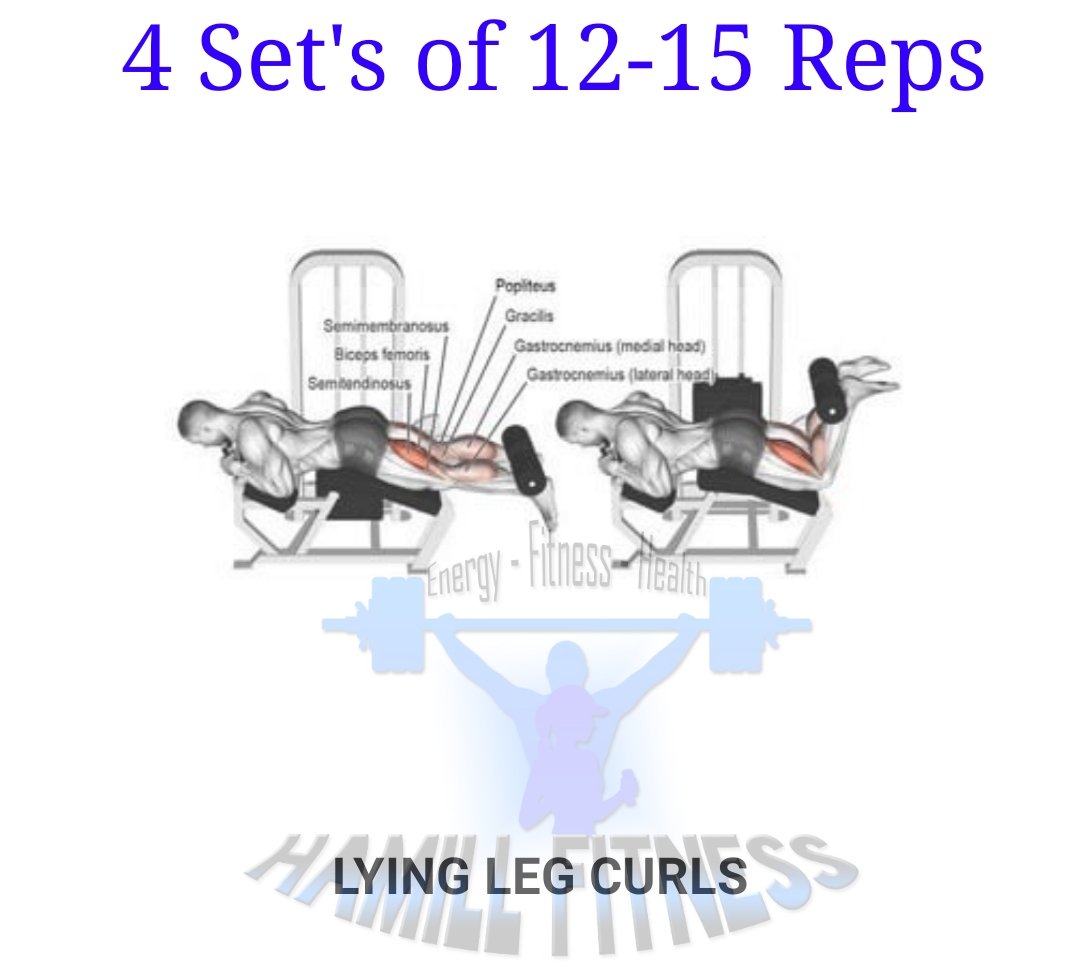
Training in the gym isn’t complete without a good old leg session and this is one of my favourite Body parts to train…..and you certainly don’t wanted to be called chicken legs lol

With so many different ways to train the legs, from compound exercises to isolation movements there’s no right or wrong way to train them in my opinion just as long as you train them (and train them hard)….i like to mix it up and be different

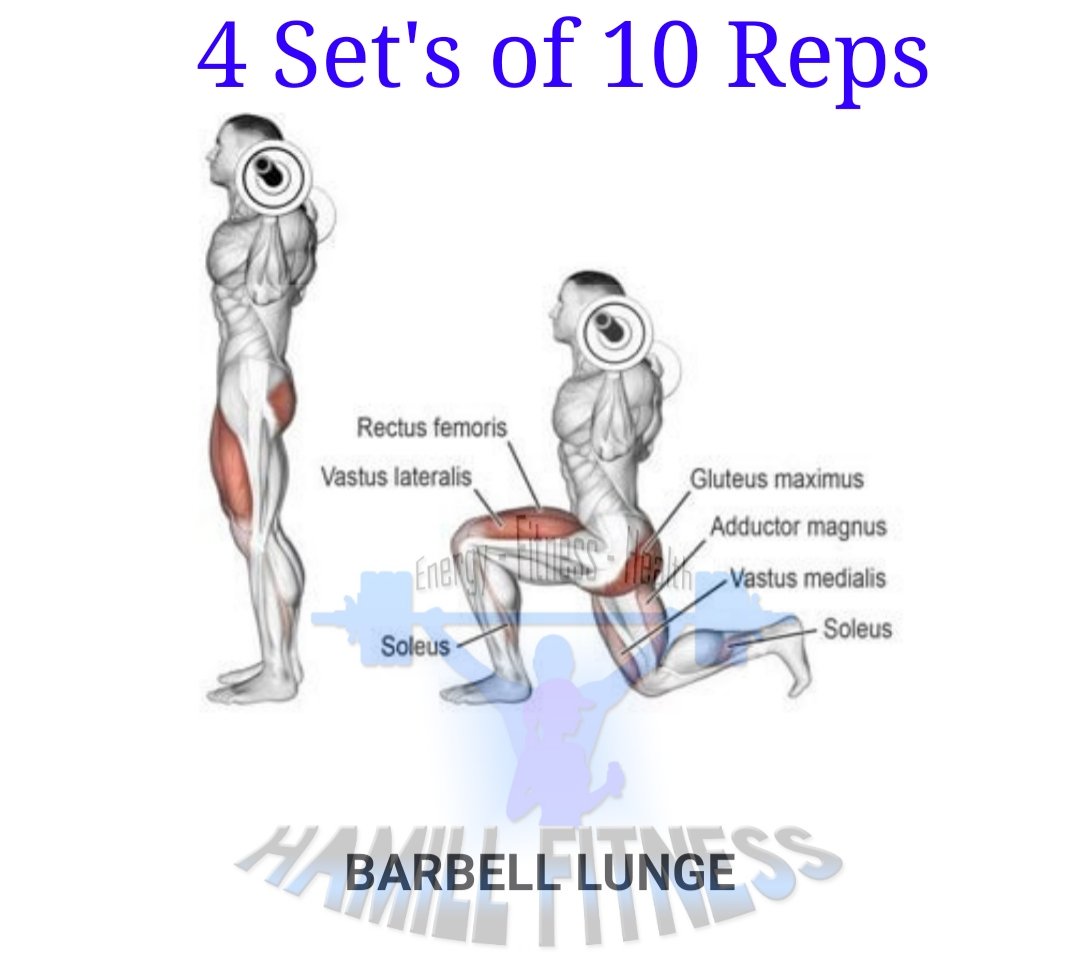
You could even start with the leg Extension first to really warm up those quads and get an instant pump with 2 Sets of 100 Reps. Stick with the same weight for both sets so go light but not to light, it still wants to be challenging enough. Plus what better way to finish then with some Barbell or Dumbbell walking Lunges ( great as if my legs didn’t already feel like jelly ) 3 – 4 Sets of 10 Reps each way…..have fun walking down the stairs after this lol

I hope you get as much enjoyment out of this workout as I do and also my client’s…..maybe or maybe not 😂😂