
Weight Loss & Energy Balance
This article will briefly consider weight loss, the science behind it and look at some techniques to boost your weight loss attempts. You will notice throughout that all things are considered in terms of lifestyle changes. It’s no use adopting some so called magical diet that quickly gets weight off but more so quickly goes back on once you’ve stopped….although these are very tempting the fact of the matter is that quick weight loss most probably equates to losing water not fat and worse still reducing your lean muscle tissue ( which is not what you want to be achieving ).
You can safely and effectively lose about 1 to 2 lbs ( 0.5 to 1kg ) a week. At the end of the day you have to think to yourself ” how long did it take me to put the weight on?” The answer to this question is unlikely to be one to two weeks, it’s far more likely to have happened over a number of years. Therefore you have to accept a similar timescale to get back to your ideal weight or more importantly how you look and feel ( Body Composition ). If you are willing to accept this premise you are half-way there, odds are you can achieve it quicker with the correct adjustments. The next thing you must consider is that it is your current lifestyle that got you fat, therefore only by making changes to your lifestyle can you hope to achieve long-term sustainable weight loss
This is why most diets do not work in the long-term; it is because they have not altered your lifestyle. Therefore, the minute you finish the diet you go back to doing what was getting you fat / weight gain in the first place ( your old lifestyle ).
When i work 1-2-1 with my clients i always make a point to see if they are psychologically ready to make a change. The readiness to change is so often overlooked in weight loss programmes and yet my research has shown that this is fundamental to long-term successful weight loss.
ENERGY BALANCE:
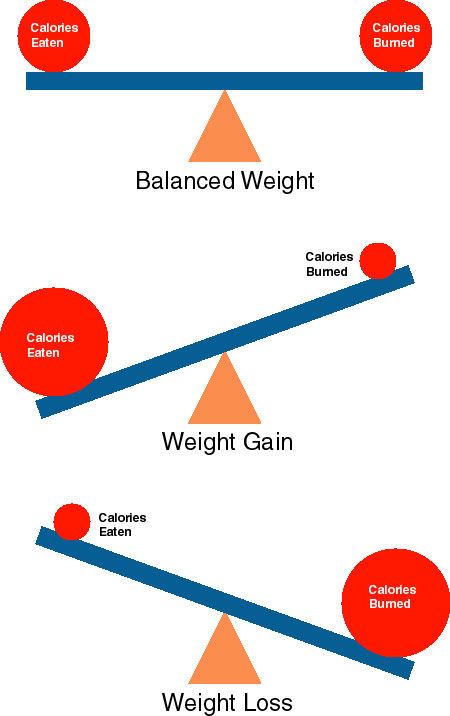
At the end of the day weight loss or weight gain comes down to energy balance, this is not rocket science…if you are eating more calories than you are burning then you will be in a positive energy balance ( surplus ). Under these circumstances you will put weight on and increase your body fat %. The best you can hope for is that the fat cells will shrink as you burn off energy…this is one reason why somebody that has been over weight finds it easy to put the weight back on, the fat cells are sitting there waiting to be filled. If however you have never been overweight you will possess less fat cells so it is not quite so easy to increase your weight.
If you are burning more calories ( very active ) than you are consuming you are in a ‘ negative energy balance ‘ ( calorie deficit )and under these circumstances you will loss weight ( reduce your body fat ). That said, it is not quite straightforward as this ( if only it were ). A number of factors impact upon this, an important one being genetics. Undoubtedly the genes that you inherited will have an impact on how successful your weight loss attempts are. With perseverance however if you maintain a negative energy balance you will lose weight….FACT!!
Men will find it easier to lose weight than women and again this is down to genetic makeup. Men possess more of the enzymes that help breakdown fat and are therefore better placed to burn off fat. Added to this women have more of the enzymes that store fat ( necessary during pregnancy ) therefore they will lay down fat easier than a man. The good news is that the more active you become the more efficient you become at burning fat so keeping active, and if possible increasing your activity levels are the key to long-term weight control.
My Food Diary For A Day….
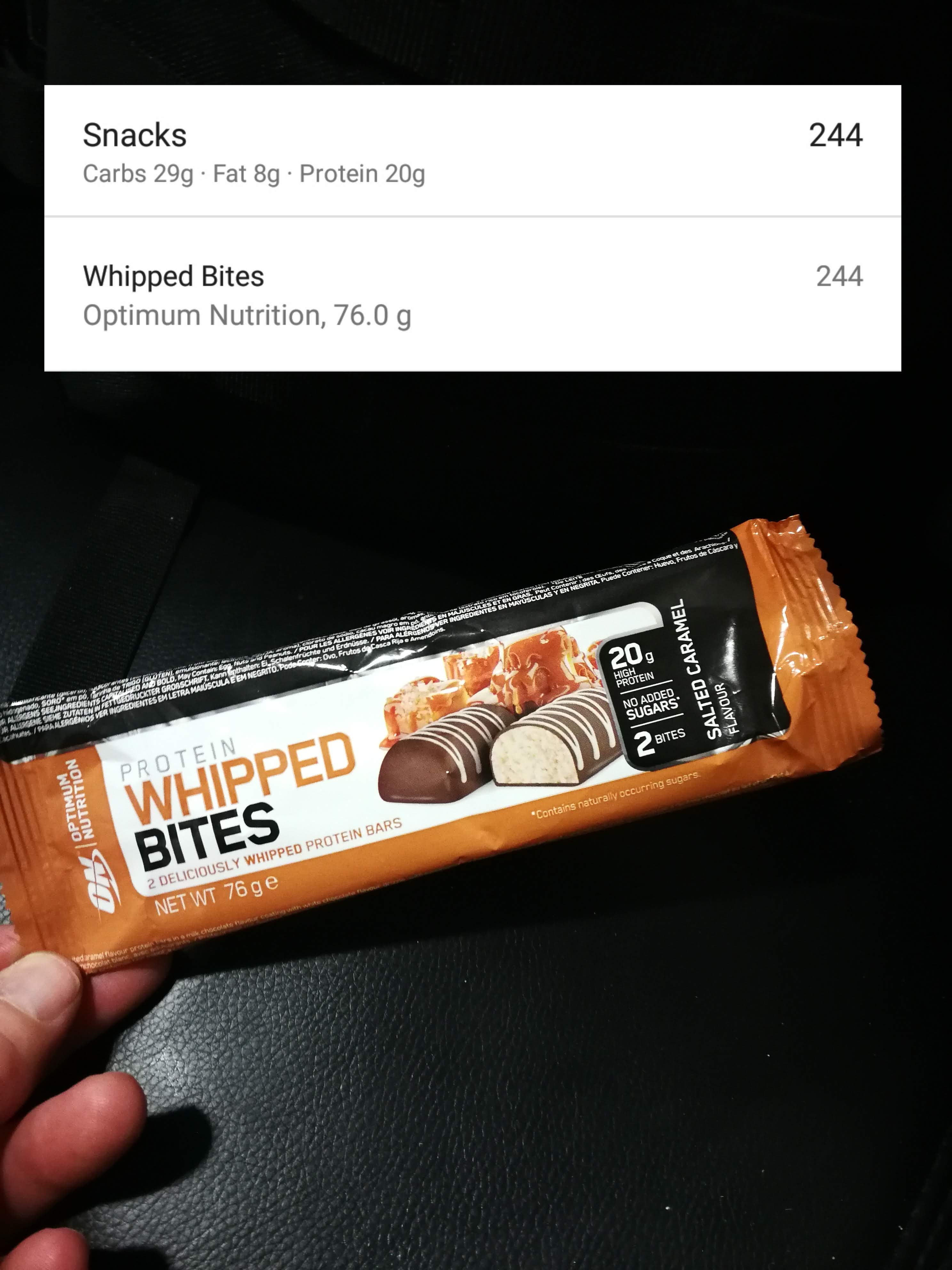
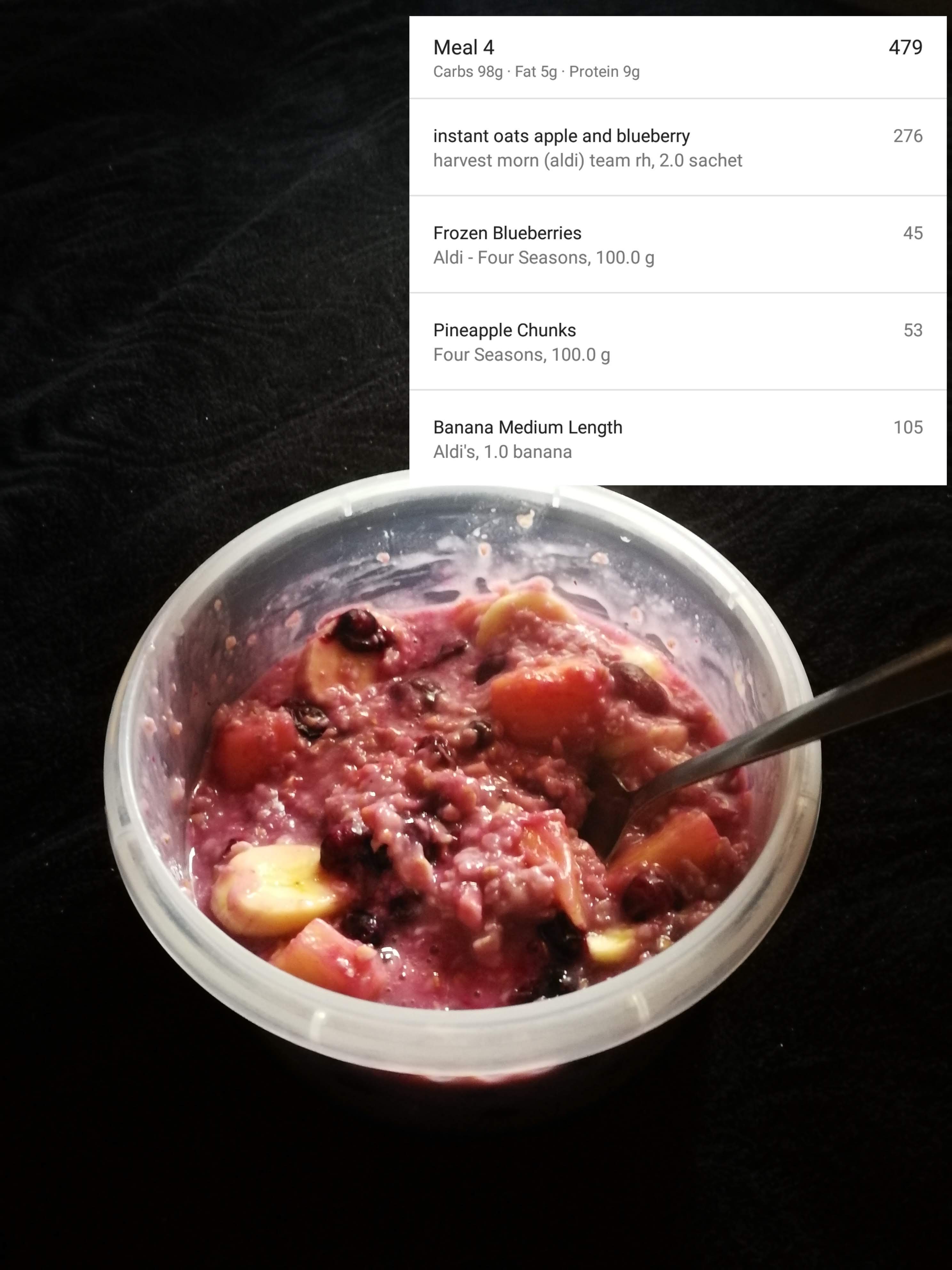
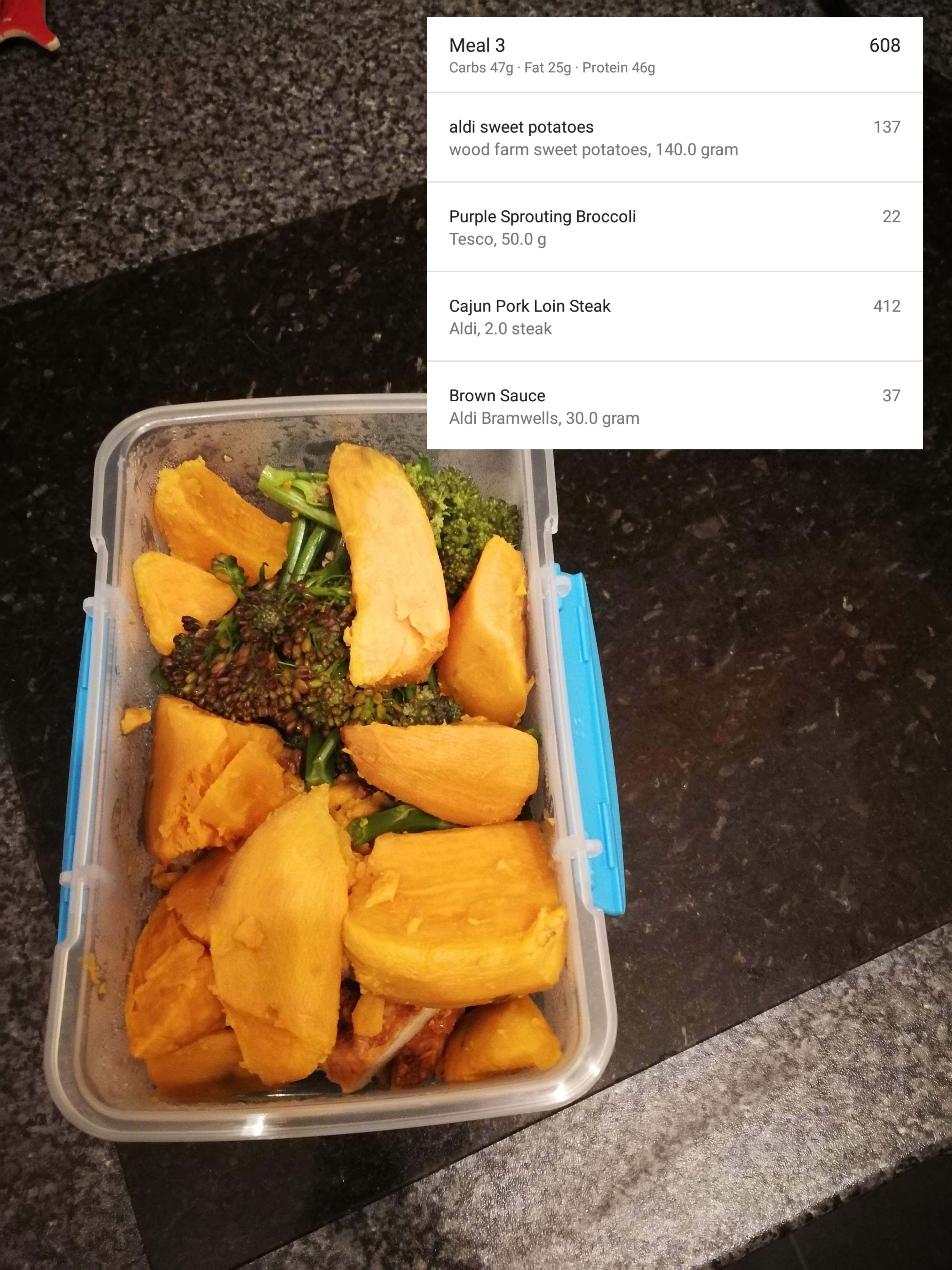
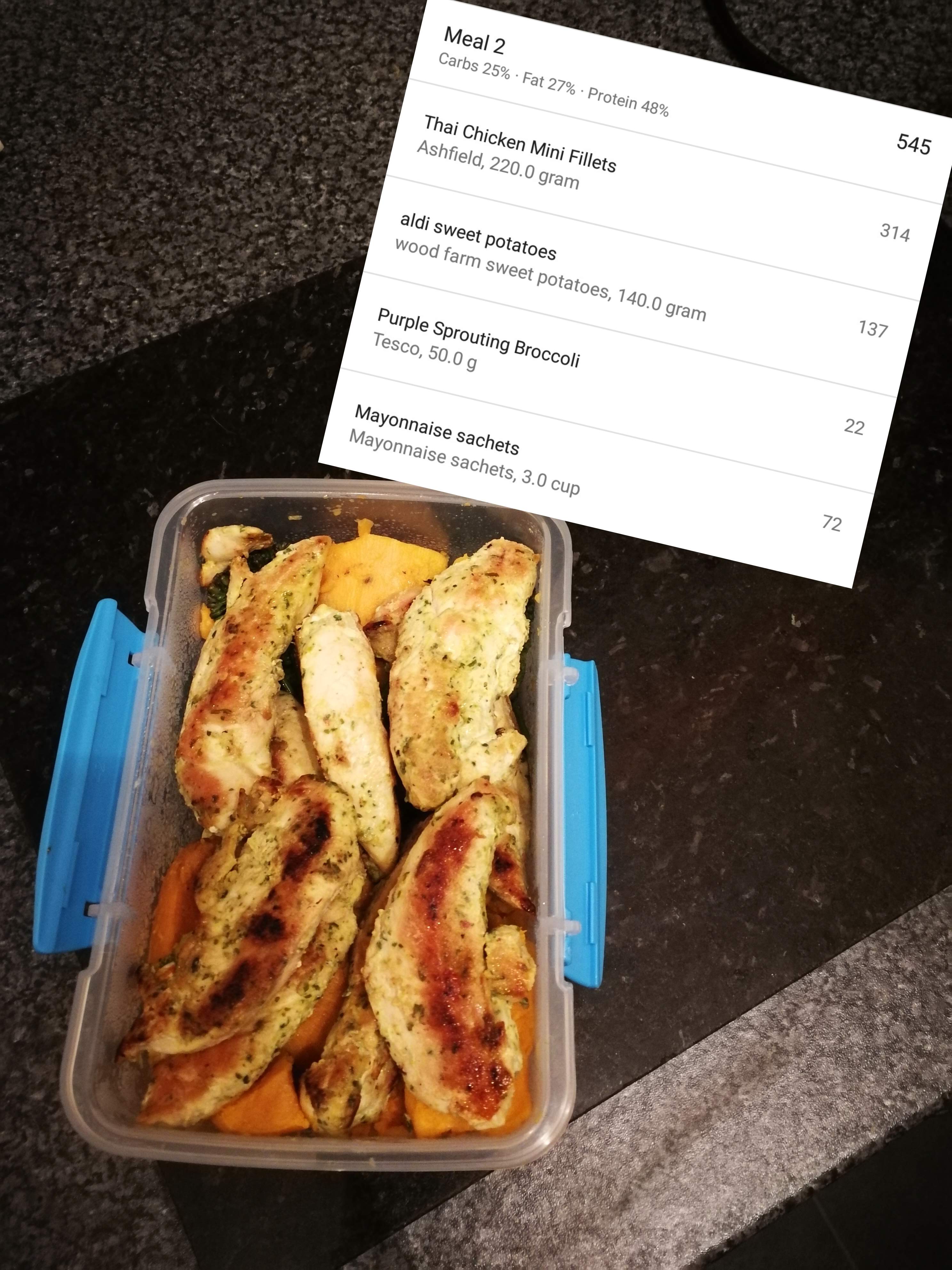
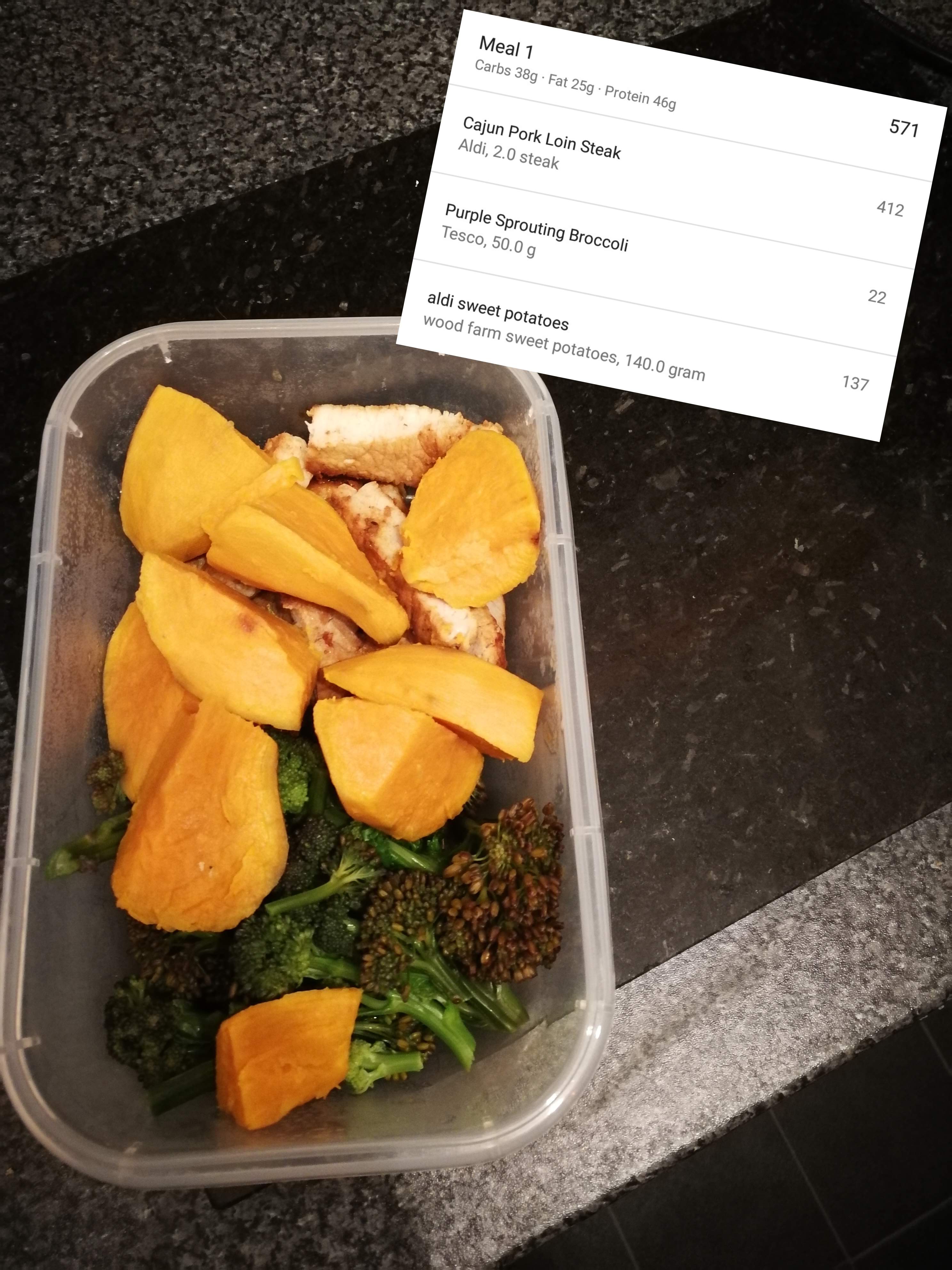
Ever since I’ve been working in the fitness industry the same topic keeps popping up and some will have different opinions on it to others but both have their points…..I’m taking about either calorie counting or macro tracking!!
So what is what??
Calorie Counting is when your simply count the calories you consume on a daily basis with a calorie counting app or old school and write it all down ( boring! )
Whatever your goal might be the outcome is the same – you just take a different approach to it….let me explain! If you’re planning to lose weight you will hear a lot about being in a calorie deficit ( meaning you burn more calories than you consume ) which of course is correct so you would need to start counting your calories to make sure this is achievable and the best way of doing this is with http://www.myfitnesspal.com this is what I use on a daily basis and it’s what I make my clients use.
If your goal is weight gain then you simply turn it around and go into a calorie surplus ( meaning you eat more calories than you burn ) and for maintenance you need the balance between the two….But how do you know if your still getting the right balance between your Protein, Carbs & Fats?
Macro Tracking…This is when you track your macro-nutrients ( Protein, Carbohydrates, Fats )
This is where my opinion changes!
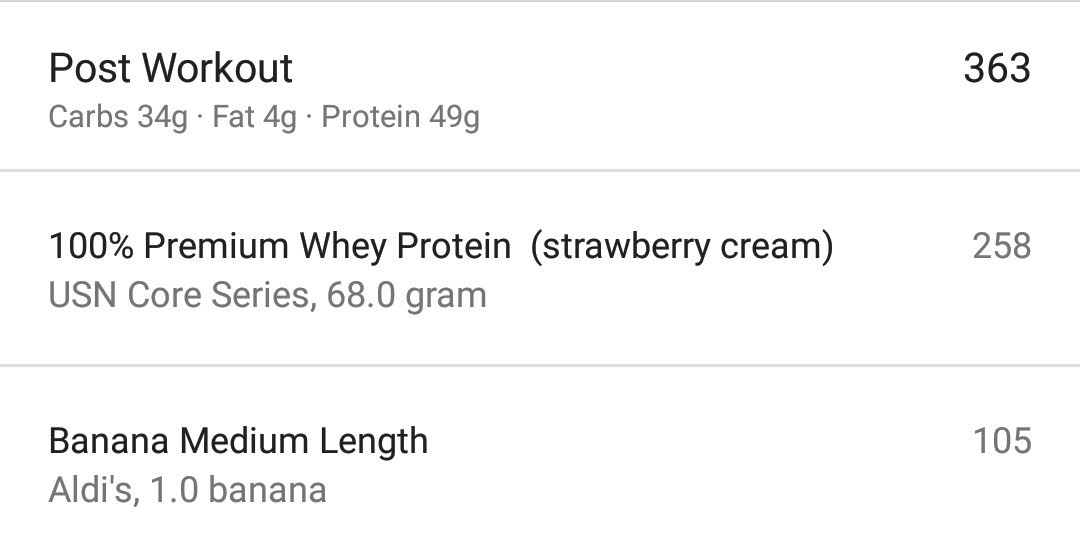
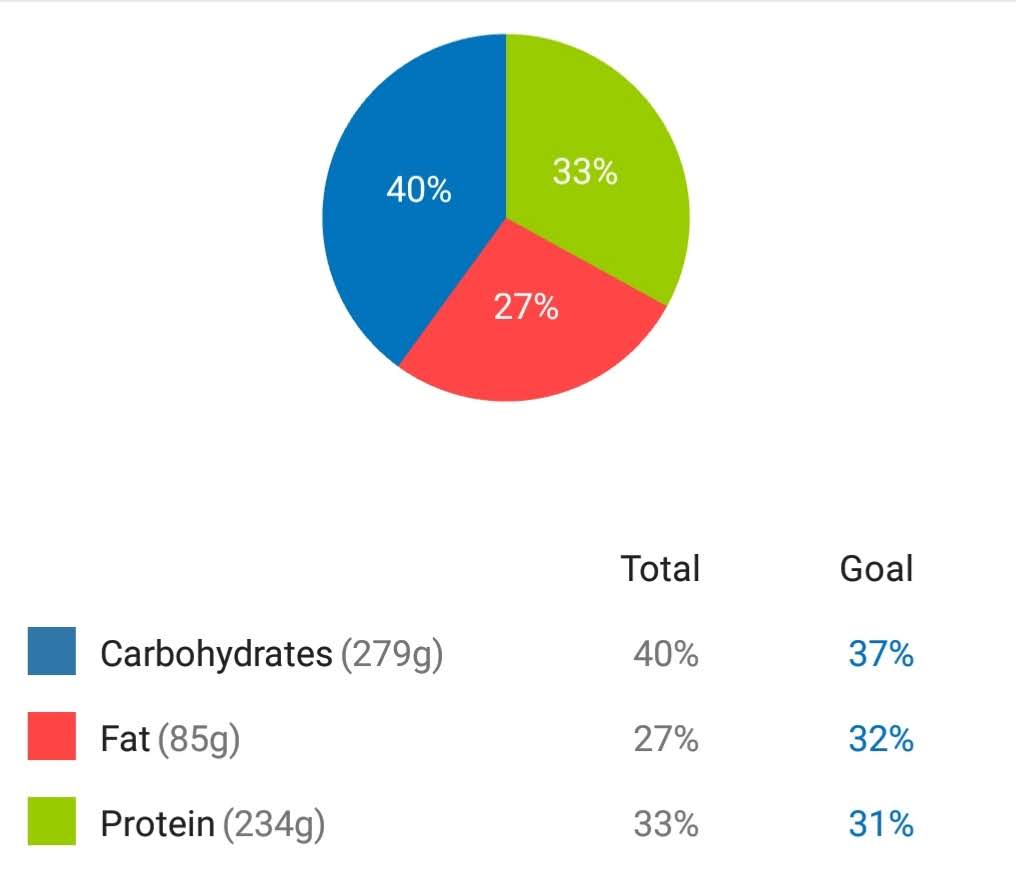
You can still be in a calorie deficit but still not be getting the right amount of macro’s based on your lifestyle and training which isn’t good enough especially when it comes to muscle repair, muscle growth and fuelling our bodies. So the pictures above is an average days eating for me but notice my macros and my calories….So I’ve set my macros at 278g carbs – 237g protein -106g fat and it’s pretty much spot on. My calories has been set to 3014 ( this is for weight loss ) and yet I’ve not even hit it…( if this is confusing then feel free to message me for further info )
All foods have calories and macro-nutrients in them but knowing if your getting the right amount is another thing. I always spend time with my clients making sure they understand the importance of their own macro-nutrient intake rather than getting to just count calories and i also make sure they keep a food dairy so i can track what they are eating and advise then if their going wrong and where
With all this said and done this is just my opinion, there is no right or wrong as both go hand in hand. You obviously need to find which is easier for you to understand and maintain to help you reach and achieve your goal and that should always be a better version of yourself, a health fitter version .
Again if you have any questions or need help with anything then please feel free to reach out and drop me a message…..Together We’er Stronger, Together We’ll Succeed!!
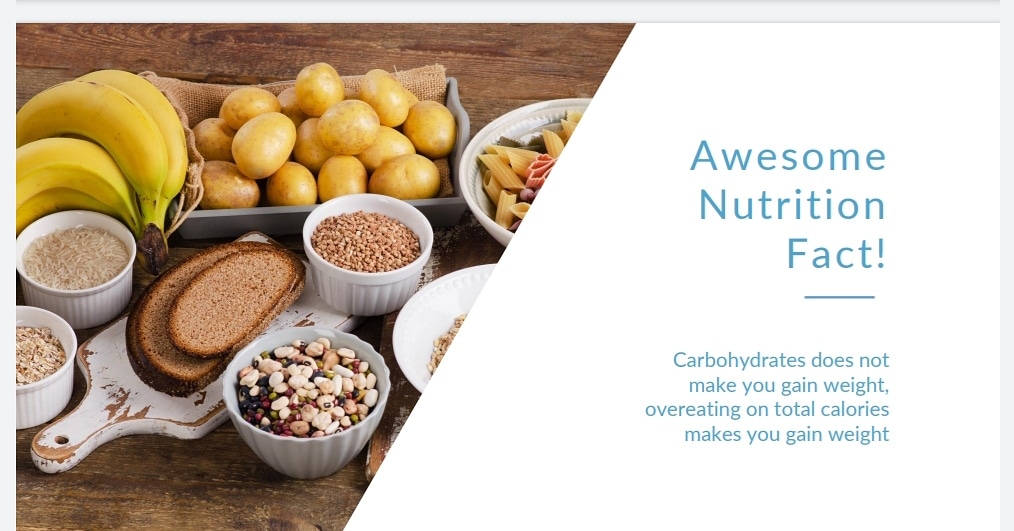
So many times over the years I’ve heard from people who are uninformed and have no idea what their talking about saying Carbs make you fat, you shouldn’t eat Carbs after a certain time etc etc blah blah
Now I’m not going to go into the function of carbohydrates etc ( not yet that blog will be soon ) but I will say this….carbs do not make you fat or gain weight, eating to much crap and putting to much in your mouth makes you fat and gain weight…..Fact!!
If you over consume on anything your going to gain weight and get fat ( unless your planning on bulking of course ). Just be more mindful of the portion the sizes you have based on your goal of speak to someone who’s actually qualified in Nutrition and can calculate your calories or macronutrients
POST WORKOUT NUTRITION.
You put a lot of effort into your workouts, always looking to perform better and reach your goals. Chances are you’ve probably given more thought to your pre-workout meal than your post workout meal.
But consuming the right nutrients after you train is just as important as what you eat before you train!…..Here is a detailed guide to optimal nutrition after workouts.
EATING AFTER A WORKOUT IS IMPORTANT!
To understand how the right foods can help you after exercise, it’s important to understand how your body is affected by physical activity. When you’re working out, you’re muscle use up their glycogen stores for fuel, this results in your muscles being partially depleted of glycogen. Some of the proteins in your muscles also get broken down and damaged. After your workout your body tries to rebuild it’s glycogen stores and repair and regrow those muscle proteins. Eating the right nutrients soon after you train can help your body get this done faster, it is particularly important to eat carbs and proteins after your workout…..Doing this helps your body
1: Decrease muscle protein breakdown
2: Increase muscle protein synthesis ( growth )
3: Restore glycogen stores
4: Enhance recovery
BOTTOM LINE: Getting in the right nutrients after exercise can help you rebuild your muscle proteins and glycogen stores. It also helps stimulate growth of new muscle.
Protein, Carbs & Fats
This section discusses how each macro-nutrient ( Protein, Carbs & Fats ) is involved in your body’s post-workout recovery process……Protein Helps Repair and Build Muscle. As explained above, exercise triggers the breakdown of muscle protein. The rate at which this happens depends on the exercise and your level of training, but even well-trained athletes experience muscle protein breakdown. Consuming an adequate amount of protein after a workout gives your body the amino acids it needs to repair and rebuild these proteins. It also gives you the building blocks required to build new muscle tissue. It’s recommended that you consume 0.14–0.23 grams of protein per pound of body weight (0.3–0.5 grams/kg) very soon after a workout. Studies have shown that ingesting 20–40 grams of protein seems to maximise the body’s ability to recover after exercise
CARBS CAN HELP WITH RECOVERY
Your body’s glycogen stores are used as fuel during exercise, and consuming carbs after your workout helps replenish them.The rate at which your glycogen stores are used depends on the activity. For example, endurance sports cause your body to use more glycogen than resistance training. For this reason, if you participate in endurance sports (running, swimming, etc.), you might need to consume more carbs than a bodybuilder.Consuming 0.5–0.7 grams of carbs per pound (1.1–1.5 grams/kg) of body weight within 30 minutes after training results in proper glycogen re-synthesis
Furthermore, insulin secretion, which promotes glycogen synthesis, is better stimulated when carbs and protein are consumed at the same time.Therefore, consuming both carbs and protein after exercise can maximise protein and glycogen synthesis. Try consuming the two in a ratio of 3:1 (carbs to protein). For example, 40 grams of protein and 120 grams of carbs. Eating plenty of carbs to rebuild glycogen stores is most important for people who exercise often, such as twice in the same day. If you have 1 or 2 days to rest between workouts then this becomes less important.
FAT IS NOT BAD
Many people think that eating fat after a workout slows down digestion and inhibits the absorption of nutrients.While fat might slow down the absorption of your post-workout meal, it will not reduce its benefits…..For example, a study showed that whole milk was more effective at promoting muscle growth after a workout than skim milk. Moreover, another study showed that even when ingesting a high-fat meal (45% energy from fat) after working out, muscle glycogen synthesis was not affected.It might be a good idea to limit the amount of fat you eat after exercise, but having some fat in your post-workout meal will not affect your recovery.
BOTTOM LINE:
A post-workout meal with both protein and carbs will enhance glycogen storage and muscle protein synthesis. Consuming a ratio of 3:1 ( carbs to protein ) is a practical way to achieve this
THE TIMING OF YOUR POST-WORKOUT MEAL MATTERS
Your body’s ability to rebuild glycogen and protein is enhanced after you exercise, for this reason it’s recommended that you consume a combination of carbs and protein as soon as possible after exercising. Although the timing does not need to be exact, many experts recommend eating your post-workout meal within 45 minutes. In fact, it’s believed that there delay of carbs consumption by as little as two hours after a workout may lead to as much as 50% lower rates of glycogen synthesis. However, if you consumed a meal before exercising, it’s likely that there benefits from that meal still apply after training
BOTTOM LINE:
Eat your post-workout meal within 45 minutes after exercising. However, you can extend this period a little longer, depending on the timing of your pre-workout meal.
FOODS TO EAT AFTER YOU WORKOUT
The Primary goal of your post-workout meal is to supply your body with the right nutrients for adequate recovery and to maximise the benefits of your workout. Choosing easily digested foods will promote faster nutrient absorption. The following list contains examples of simple and easily digested foods.
Carbs:
Sweet Potatoes
Chocolate Milk
Quinoa
Fruits ( pineapple, berries, banana, kiwi )
Rice Cakes
Rice
Oatmeal
Potatoes
Dark, Leaf Green Vegetables
Protein:
Animal or plant based protein powder
Eggs
Greek Yogurt
Cottage Cheese
Salmon
Chicken
Protein Bar
Tuna
Fats:
Avocado
Nuts
Nut Butters
Trail Mix ( dried fruits and nuts
Sample Post-Workout Meals
Combinations of foods listed above can create great meals that provide you with all the nutrients you need for after training, here’s a few examples of quick & easy meals to eat after your workout
1: Grilled chicken with roasted veg
2: Egg omlete with avocado spread on toast
3: Salmon with sweet potato
4: Tuna Salad on whole grain bread
5: Tuna and crackers
6: Oatmeal, whey protein, banana and almonds
7: Cottage cheese and fruits
8: Pita and hummus
9: Rice crackers and peanut butter
10: Whole grain toast and almond butter
11: Cereal and slim milk
12: Greek yogurt, berries and granola
13: Protein shake and a banana
14: Quinoa bowl and berries and pecans
15: Multi-grain bread and raw nuts
MAKE SURE TO DRINK PLENTY OF WATER
It is important to drink plenty of water before and after your workout. When you are properly hydrated, this ensures the optimal internal environment for your body to maximise results. During exercise, you lose water and electrolytes through sweat. Replenishing these after a workout can help with recovery and performance…..It’s especially important to replenish fluids if your next exercise session is within 12 hours. Depending on the intensity of your workout, water or an electrolyte drink are recommended to replenish fluid losses.
Putting It All Together
Consuming a proper amount of carbs and protein after exercise is essential.It will stimulate muscle protein synthesis, improve recovery and enhance performance during your next workout. If you’re not able to eat within 45 minutes of working out, it’s important to not go much longer than 2 hours before eating a meal. Finally, replenishing lost water and electrolytes can complete the picture and help you maximise the benefits of your workout.
PRE-WORKOUT NUTRITION
Athletes and fitness enthusiasts are always looking for ways to improve their performance and achieve their goals.
Good nutrition can help your body perform better and recover faster after each workout.
Optimal nutrient intake prior to exercise will not only help you maximize your performance but also minimize muscle damage
Here is everything you need to know about pre-workout nutrition.
Knowing What to Eat Is Important
Fueling your body with the right nutrients prior to exercise will give you the energy and strength you need to perform better.
Each macronutrient has a specific role before a workout. However, the ratio in which you need to consume them varies
by the individual and type of exercise
Below is a brief look at the role of each macronutrient.
Carbs
Your muscles use the glucose from carbs for fuel. Glycogen is the way the body processes and stores glucose, mainly in the
liver and muscles. For short- and high-intensity exercise, your glycogen stores are your muscles’ main source of energy.
But for longer exercises, the degree to which carbs are used depends on several factors. These include the intensity, type of
training and your overall diet
Your muscles’ glycogen stores are limited. As these stores become depleted, your output and intensity diminish.
Studies have consistently shown that carbs can increase glycogen stores and utilization while boosting carb oxidation
during exercise. Carb loading, which involves consuming a high-carb diet for 1–7 days, is a well-known method to
maximize glycogen stores
Protein
Many studies have documented the potential of pre-workout protein consumption to improve athletic performance. Eating
protein (alone or with carbs) prior to exercise has been shown to increase muscle protein synthesis.
One study showed a positive anabolic response after participants consumed 20 grams of whey protein before exercise
Other benefits of eating protein before exercise include:
1: A better anabolic response, or muscle growth
2: Improved muscle recovery
3: Increased strength and lean body mass
4: Increased muscle performance
Fat
While glycogen is used for short- and high-intensity bouts of exercise, fat is the source of fuel for longer and
moderate-to-low-intensity exercise. Some studies have investigated the effects of fat intake on athletic performance.
However, these studies looked at high-fat diets over a long period, rather than prior to exercise
For example, one study showed how a four-week diet consisting of 40% fat increased endurance running times in healthy,
trained runners.
SUMMARY:
Carbs help maximize glycogen stores for high-intensity exercise, while fat helps fuel your body for longer, less intense
workouts. Meanwhile, protein improves muscle protein synthesis and aids recovery.
The Timing of Your Pre-Workout Meal Is Key. The timing of your meal is also an important aspect of pre-exercise nutrition.
To maximize the results of your training, try to eat a complete meal containing carbs, protein and fat 2–3 hours before you
exercise.
However, in some cases, you may not be able to get in a full meal 2–3 hours before working out.
In that case, then you can still eat a decent pre-workout meal. However, keep in mind that the sooner you eat before your
workout, the smaller and simpler the meal should be.
If you eat 45–60 minutes prior to your workout, choose foods that are simple to digest and contain mainly carbs and some
protein. This will help prevent any stomach discomfort during exercise.
SUMMARY:
It’s recommended to consume a full meal 2–3 hours before your workout. For meals eaten closer to your workout, choose
simpler carbs and some protein.
Some Examples of Pre-Workout Meals,which foods and how much to eat depends on the type, duration and intensity
of the workout. A good rule of thumb is to eat a mixture of carbs and protein prior to exercise.
If you eat fat with your pre-workout meal, then it should be consumed at least a few hours before your workout
Here are some examples of balanced pre-workout meals:
If Your Workout Starts Within 2–3 Hours or More
1: Sandwich on whole-grain bread, lean protein and a side salad
2: Egg omelet and whole-grain toast topped with avocado spread and a cup of fruit
3: Lean protein, brown rice and roasted vegetables
If Your Workout Starts Within 2 Hours
1: Protein smoothie made with milk, protein powder, banana and mixed berries
2: Whole-grain cereal and milk
3: A cup of oatmeal topped with banana and sliced almonds
4: Natural almond butter and fruit preserve sandwich on whole-grain bread
If Your Workout Starts Within an Hour or Less
1: Greek yogurt and fruit
2: Nutrition bar with protein and wholesome ingredients
3: A piece of fruit, such as a banana, orange or apple
Keep in mind that you don’t need to eat many pre-workout meals at different times. Just choose one of these.
For best results, experiment with different timings and nutrient compositions.
SUMMARY:
A combination of carbs and protein is recommended for pre-workout meals. Fat can also be beneficial,
but it should be consumed at least two hours before exercise. Supplements Can Also Be Useful Before Exercise
Supplement use is common in sports. These products may enhance performance, improve strength, increase lean
body mass and reduce fatigue.
Below are some of the best pre-workout supplements.
Creatine:
Creatine is probably the most commonly used sports supplement.
It has been shown to increase muscle mass, muscle fiber size and muscle strength and power, all while delaying fatigue
Even though it’s beneficial to take creatine before a workout, it seems to be even more effective when taken after a workout
Taking 2–5 grams of creatine monohydrate per day is effective.
Caffeine
Among many other benefits, caffeine has been shown to improve performance, increase strength and power, help reduce
feelings of fatigue and stimulate fat burning. Caffeine can be consumed in coffee, tea and energy drinks, but it can also be
found in pre-workout supplements and pills.
It doesn’t really matter how you consume it, as its effects on performance are usually the same.
Caffeine’s peak effects are seen 90 minutes after consumption. However, it has been shown to be effective even when
ingested 15–60 minutes prior to exercise
Branched-Chain Amino Acids (BCAAs)
BCAAs refer to the essential amino acids valine, leucine and isoleucine.
Studies have shown that taking BCAAs before workouts helps decrease muscle damage and increase muscle protein
synthesis
A dose of 5 grams or more, at least an hour prior to exercise, is effective
Beta-Alanine:
Beta-alanine is an amino acid that increases your muscle stores of carnosine. It has been shown to be most effective for
short- and high-intensity exercises. It does this by increasing exercise capacity and muscle endurance while reducing fatigue
The recommended daily dose is 2–5 grams, of which at least 0.5 grams should be consumed prior to your workout
Multi-Ingredient Pre-Workout Supplements:
Some people prefer products that contain a blend of the supplements mentioned above.
The combination of these ingredients may have synergistic effects and improve performance significantly
Caffeine, creatine, beta-alanine, branched-chain amino acids, arginine and B vitamins are among the most commonly used
ingredients in these products. These pre-workout supplements have been shown to increase work output, strength,
endurance, anaerobic power, reaction time, focus and alertness
The particular dose depends on the product, but it’s generally recommended to take them about 30–45 minutes before
exercise.
SUMMARY:
Creatine, caffeine, BCAAs and beta-alanine are often recommended before a workout. Multi-ingredient pre-workout
supplements combine many different ingredients for optimal benefits.
Hydration Is Also Crucial:
Your body needs water to function.
Good hydration has been shown to sustain and even enhance performance, while dehydration has been linked to
significant decreases in performance. It’s recommended to consume both water and sodium before exercise. This will
improve fluid balance
The American College of Sports Medicine (ACSM) recommends drinking 16–20 ounces (0.5–0.6 liters) of water at least
four hours before exercise and 8–12 ounces (0.23–0.35 liters) of water 10–15 minutes before exercise. Additionally, they
recommend consuming a beverage that contains sodium to help retain fluids
SUMMARY:
Water is important for performance. It’s recommended to drink water and sodium-containing beverages before exercise to
promote fluid balance and prevent excessive fluid loss.
Putting It All Together
To maximize your performance and recovery, it’s important to fuel your body with the right nutrients before a workout.
Carbs help maximize your body’s ability to use glycogen to fuel short- and high-intensity exercises, while fat helps fuel
your body for longer exercise sessions.
Eating protein helps improve muscle protein synthesis, prevent muscle damage and promote recovery.
Good hydration is also linked to enhanced performance.
Pre-workout meals can be eaten three hours to 30 minutes before a workout. However, choose foods that are easy to
digest, especially if your workout starts in one hour or less. This will help you avoid stomach discomfort. Additionally,
many different supplements can aid performance and promote recovery. At the end of the day, simple pre-workout
nutrition practices can go a long way in helping you perform better and recover faster.
 Robhamill