
sdr 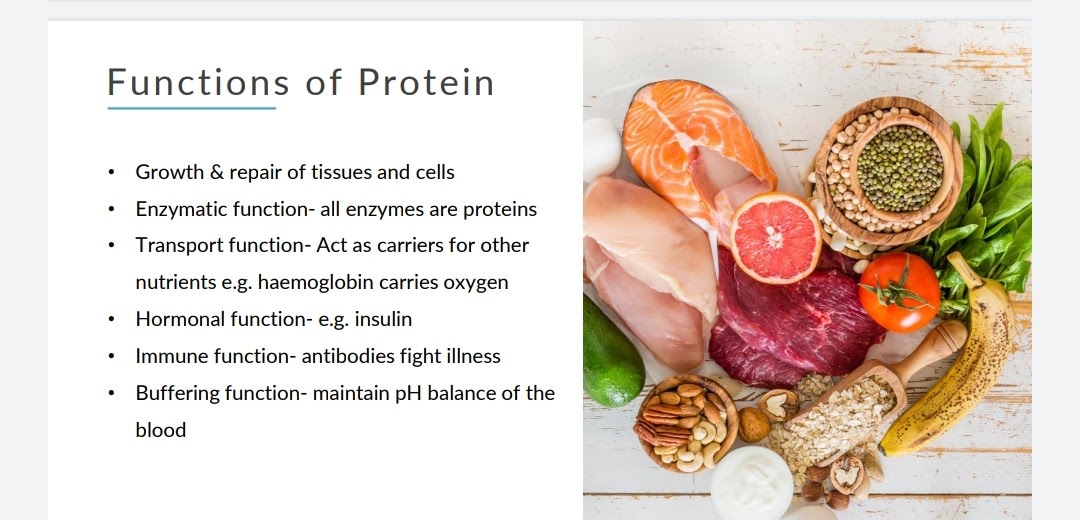
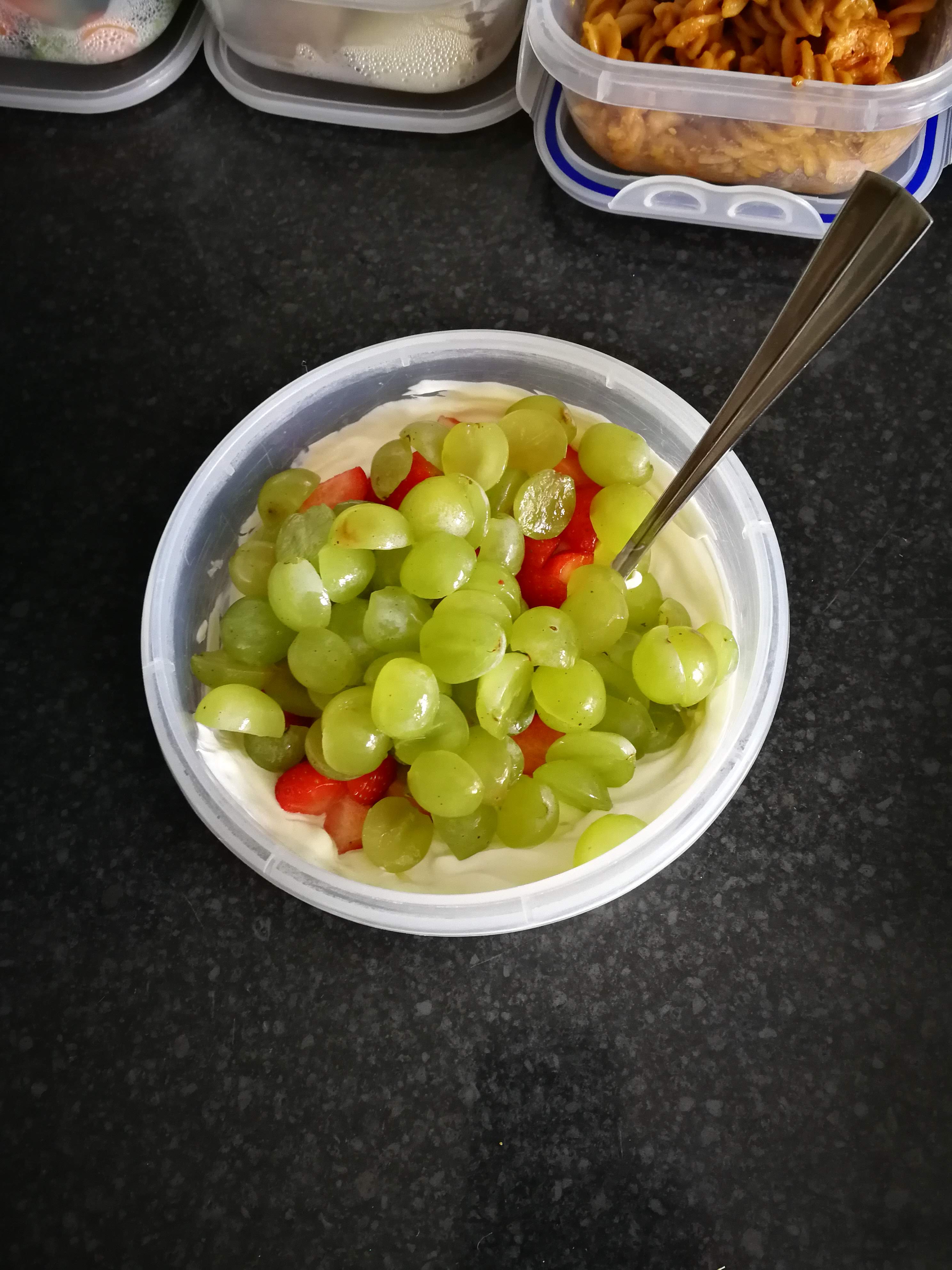
So as i munch down on my first meal of the day which is Brooklea Greek Yogurt 500g, Strawberries 90g and white seedless grapes 150g ( Macro content – Carbs 64g, Fat 51g, Protein 33g ) I’d thought why not put up a blog about protein. When we look at our macro-nutrients ( carbs, fats, proteins ) protein should follow closely second to our carbohydrates, some may even focus more so on protein .
Proteins are very important in your diet and even in ancient times this was realised as the protein is derived from ancient Greek language meaning ‘ holding first place’. The basic molecule for building proteins is called ‘an amino acid’. There are 20 amino acids that the body uses and quite often people get confused, thinking that amino acids and proteins are totally separate entities when in fact proteins are just different groups of amino acids linked together to form a large molecule. Although the body uses all the amino acids in one form or another it only requires the 9 essential amino acids in the diet.
- Phenylalanine: Phenylalanine is a precursor for the neurotransmitters tryrosine, dopamine, epinephrine and nor-epinephrine. It plays an integral role in the structure and function of proteins and enzymes and the production of other amino acids.
- Valine: Valine is one of three branched-chain amino acids, meaning it has a chain branching off to one side of its molecular structure. Valine helps stimulate muscle growth and regeneration and is involved in energy production.
- Threonine: Threonine is a principal part of structural proteins such as collagen and elastin, which are important components of the skin and connective tissue. It also plays a role in fat metabolism and immune function.
- Tryptophan: Though often associated with causing drowsiness, tryptophan has many other functions. It’s needed to maintain proper nitrogen balance and is a precursor to serotonin, a neurotransmitter that regulates your appetite, sleep and mood.
- Methionine: Methionine plays an important role in metabolism and detoxification. It’s also necessary for tissue growth and the absorption of zinc and selenium, minerals that are vital to your health.
- Leucine: Like valine, leucine is a branched-chain amino acid that is critical for protein synthesis and muscle repair. It also helps regulate blood sugar levels, stimulates wound healing and produces growth hormones.
- Isoleucine: The last of the three branched-chain amino acids, isoleucine is involved in muscle metabolism and is heavily concentrated in muscle tissue. It’s also important for immune function, hemoglobin production and energy regulation.
- Lysine: Lysine plays major roles in protein synthesis, hormone and enzyme production and the absorption of calcium. It’s also important for energy production, immune function and the production of collagen and elastin.
- Histidine: Histidine is used to produce histamine, a neurotransmitter that is vital to immune response, digestion, sexual function and sleep-wake cycles. It’s critical for maintaining the myelin sheath, a protective barrier that surrounds your nerve cells.
Providing you are getting these 9 amino acids in your diet the body can make the remaining amino acids via various biochemical pathways. Proteins are involved in many processes in the body, they can be found in your skin and hair, in muscles, transporting oxygen round the body, a key part of your immune system and helping to regulate your metabolism. It can be seen from this brief list how vital proteins are to everyday functions. Often people just associate proteins with muscle building and although they are intrinsically involved in the process, they do far more
SUMMARY:
The nine essential amino acids can’t be produced by your body and must be obtained through your diet. Conditionally essential amino acids are only essential under special circumstances like illness.
Importance Of Protein:
1: Growth and Maintenance – Your body needs protein for growth and maintenance of tissues
2: Causes Biochemical Reactions – Enzymes are proteins that aid the thousands of biochemical reactions that take place within and outside of your cells. The structure of enzymes allows them to combine with other molecules inside the cell called substrates, which catalyse reactions such as digestive enzymes like lactate and sucrose which help digest sugar…..bodily functions that depend on enzymes include
: Digestion
: Energy Production
: Blood Clotting
: Muscle Contraction
3: Acts As A Messenger – Some proteins are hormones, which are chemical messengers that aid communication between your cells, tissues and organs
4: Provide Structure – Some proteins are fibrous and provide cells and tissues with stiffness and rigidity
5: Maintains Proper PH – Proteins plays a vital role in regulating the concentrations of acids and bases in your blood and other bodily fluids
6: Balances Fluids – Proteins regulate body processes to maintain fluid balance
7: Bolsters Immune Health – Proteins help form immunoglobulins or antibodies to help fight infection
8: Transport And Stores Nutrients – Transport proteins carry substances throughout your bloodstream into cells, out of cells or within cells
9: Provides Energy – Proteins can supply the body with energy. 1g of protein provides us with 4 calories of energy the same amount as carbohydrates
BOTTOM LINE:
Protein has many roles in your body.
It helps repair and build your body’s tissues, allows metabolic reactions to take place and coordinates bodily functions. In addition to providing your body with a structural framework, proteins also maintain proper pH and fluid balance. Finally, they keep your immune system strong, transport and store nutrients and can act as an energy source, if needed. Collectively, these functions make protein one of the most important nutrients for your health.
 Robhamill